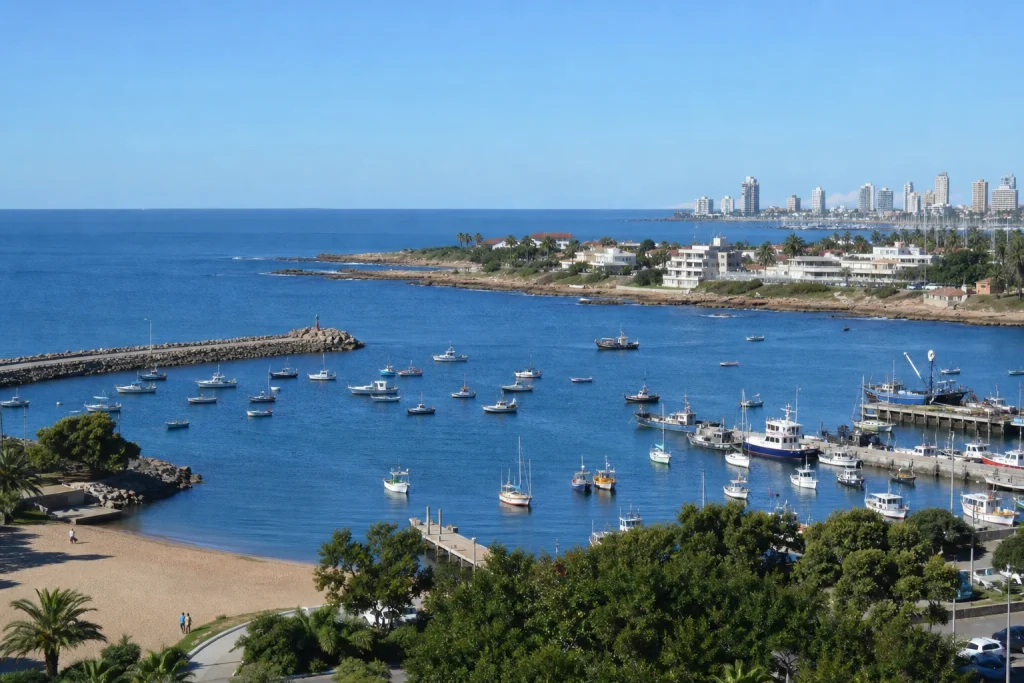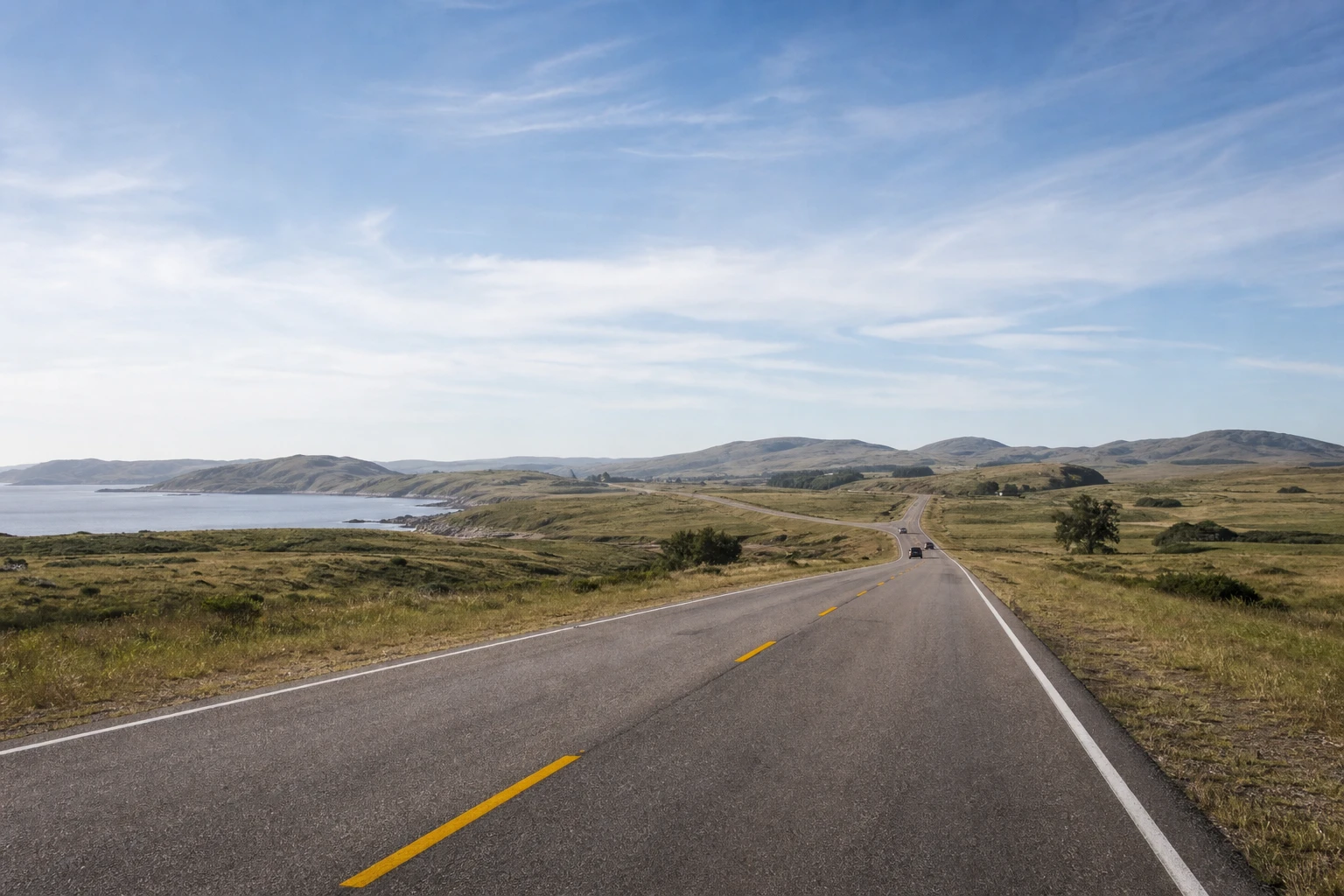
A Uruguay road trip from Punta del Este starts with one useful choice: head west on the Ruta Interbalnearia toward Montevideo, or take Ruta 9 east toward La Paloma, La Pedrera, Cabo Polonio, and Punta del Diablo. Punta del Este works well as a launch point or a final stop, provided the route stays flexible enough for traffic, road conditions, and the stops that matter most to you. Give yourself time in town before departure, especially if the Best Things to Do in Punta del Este for First-Time Visitors are part of your first-day plan.
Start with a route shape, not a packed timetable
- Choose one main direction: the Ruta Interbalnearia for Montevideo or Ruta 9 for the eastern coastal destinations.
- Check current route conditions before each longer driving day, since roadworks can affect national-route segments.
- Build in generous time buffers and aim to complete secondary-road legs in daylight.
- Expect heavier traffic and a higher accident risk during the December to March beach season, Carnaval, and Easter week.
- At rental pickup, confirm toll handling, insurance excess, required safety equipment, and the company’s process for fines.
- For a standard car or pickup, use the current toll schedule by payment method rather than guessing at a trip total.
Avoid planning this drive as a string of fixed arrival times. Traffic can be heavy on the Interbalnearia and Ruta 9, while secondary roads can have limited illumination, markings, and surface quality. Set one major movement for the day, leave room for stops and breaks, and use a current map only after your overnight plans are in place.

Punta del Este Shore Excursion: Private Sightseeing Tour of Punta del Este
Explore the sophisticated resort town of Punta del Este on this 4-hour private shore excursion. With a private guide, enjoy a scenic drive with stunni...

Punta del Este Classic City Tour with Sunset at Casapueblo
This tour is the best way to get to know Punta del Este in depth. If it's your first time in Punta, we recommend tak...

Jewish History Punta del Este Old Town Private Walking Tour
Uncover Punta del Este’s Jewish heritage as you explore synagogues, cultural landmarks, and hidden gems. Stroll th...

Private Have It Your Way Tour in Punta Del Este
Be prepared for an exclusive trip through Punta del Este with a true local! We will share our knowledge in an engag...
Choose a westbound or eastbound Punta del Este road trip
Westbound: Punta del Este to Montevideo via Ruta Interbalnearia
Choose the westbound route if Montevideo is a firm part of your Uruguay itinerary. The Ruta Interbalnearia is the main road connection between Montevideo and Punta del Este, making it the logical spine for a point-to-point trip or a return journey after a city stay. Treat it as a travel day with a purpose rather than a race across the map. An overnight stop can make the plan more forgiving when traffic is busy.
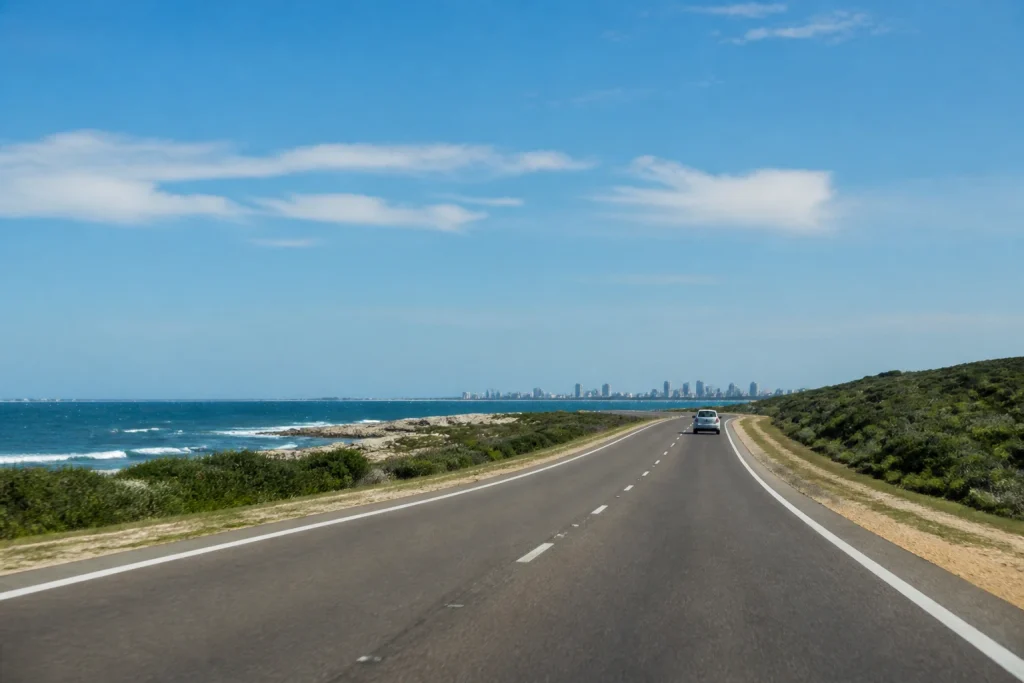
Eastbound: Ruta 9 and the Atlantic-side towns
Ruta 9 is the eastbound corridor from Punta del Este toward La Paloma, La Pedrera, Cabo Polonio, and Punta del Diablo. This direction suits travelers who want a multi-stop road trip rather than a direct transfer. Pick one or two places that genuinely interest you, then shape nights around them. Trying to collect every stop in a single day leaves little margin for the slower secondary-road stretches that often connect the main route to the coast.
The two corridors create distinct trips, so do not assume there is a simple, stress-free loop that fits every schedule. A westbound plan can focus on Punta del Este and Montevideo. An eastbound plan can give more attention to the destinations along Ruta 9. For a longer holiday, connect these ideas only after checking current mapping, roadworks, and accommodation availability.
Time the drive around daylight, traffic, and the season
Use daylight as a planning tool, particularly after leaving the main highways. Official guidance notes that secondary roads can have poor lighting, markings, and surfaces. Start longer legs early enough that an unexpected detour, meal stop, or traffic slowdown does not turn into night driving. Before a big transfer day, check the Ministry of Transport’s interactive roadworks map for affected national-route segments.
December through March brings beach-season energy, but it also brings more road traffic, a higher risk of road accidents, and added concern about theft from vehicles in beach towns. Carnaval and Easter week also deserve extra time buffers. If your dates are flexible, use a guide to Punta del Este’s summer season and off-season to decide whether the livelier period or a less congested travel window better suits your plans.
Rent and drive with Uruguay’s road rules in mind
Visitors driving with a US license can use their foreign driver’s license in Uruguay. On the road, headlights must be on both day and night, seat belts are mandatory, and using a mobile phone while driving is prohibited. Vehicles must carry required safety equipment, so confirm that the rental car has the full kit before you leave the counter. For licenses issued elsewhere, check the rental company’s document requirements before booking.
Ask the rental company to explain toll registration, insurance excess, roadside assistance, fuel rules, and how it processes traffic fines. Speed cameras are actively administered, and speeding citations involving a rental vehicle are notified to the rental company. A charge can therefore arrive after the trip, depending on the firm’s handling process. Photograph the vehicle condition at pickup and keep the rental paperwork accessible during the journey.
Understand tolls before leaving Punta del Este
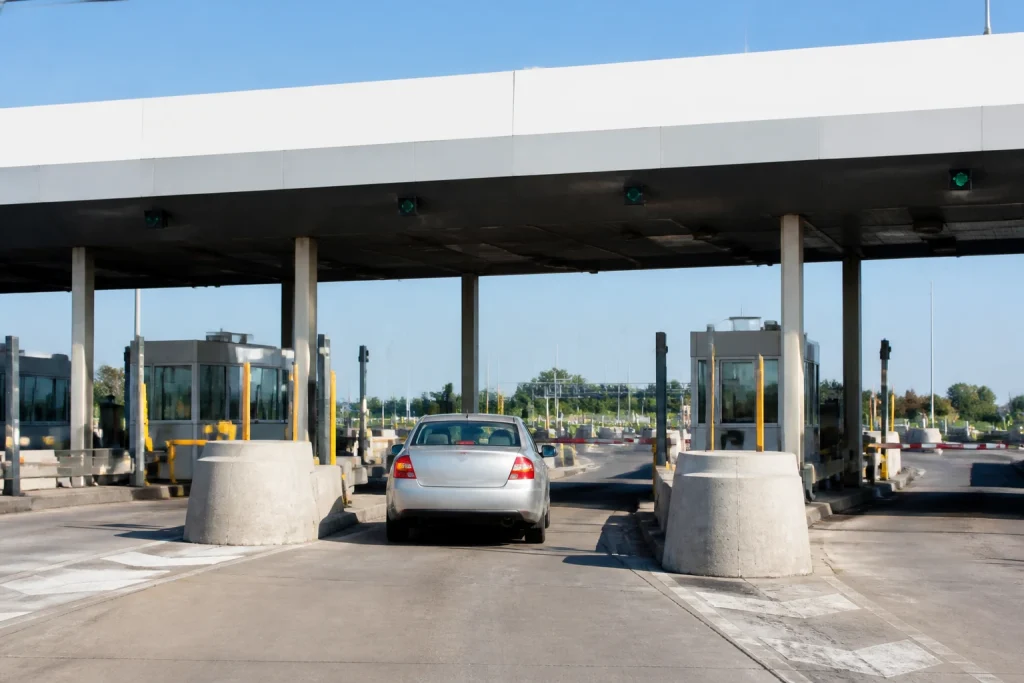
Tolls are a defined road-trip cost, but the total depends on your chosen route and payment arrangement. For a standard car or pickup, Uruguay’s published national-toll rates effective June 5, 2026 are listed per direction. Check the current schedule again before travel because the rates are scheduled to update every June 1 and December 1.
| Payment arrangement | Listed toll rate per direction, effective June 5, 2026 |
|---|---|
| Basic rate | $196.57 |
| Telepeaje | $167.00 |
| SUCIVE | $214.00 |
Drivers in foreign-plated vehicles should sort out the toll process before the first plaza. A government visitor program has offered a 15-day Abono Extranjero for nationwide toll use and a 24-hour Pase Turista for shorter stays. Terms and availability can change, so verify the active foreign-vehicle option, payment method, and tag procedure before departure. Do not rely on an older package price when planning this trip.
Build simple security habits into every stop
Keep the car looking empty when parked. Put bags, electronics, documents, and shopping out of sight before arriving at a stop, not after you park. Stay alert when unloading, paying for fuel, or taking breaks. This matters year-round and deserves extra attention in beach towns during December through March, when reports of petty crime, burglaries, robberies, and vehicle targeting increase.
Good road-trip safety is mostly unglamorous: drive within the conditions, keep headlights on, wear seat belts, put the phone away, and resist the urge to make up time after a delay. Heavy tourist traffic and speed-related crashes are a concern on the Interbalnearia and Ruta 9. A slower plan is usually the better plan, especially on the days when you are changing accommodation.
Still comparing Sightseeing?
Ask for tour ideas, hotel suggestions, or a simple trip plan that combines both.
Trip Helper
Give each driving day a realistic rhythm
A good daily structure has three parts: a clear start, one main route objective, and a defined point at which you stop adding detours. That approach leaves room for a delayed departure, changing weather, roadworks, or a place that proves worth lingering in. It also prevents the familiar road-trip mistake of reaching the final stretch tired, hungry, and impatient to arrive.
Check road conditions in the morning, then keep the day’s navigation simple. If an affected segment appears on the national roadworks map, revise the plan before loading the car. Avoid improvising on poorly lit secondary roads after dark. For longer trips, give every overnight stop a role: it should either break up a transfer, anchor time in one destination, or provide a useful reset before the return drive.
Use flexible road-trip templates instead of fixed drive times
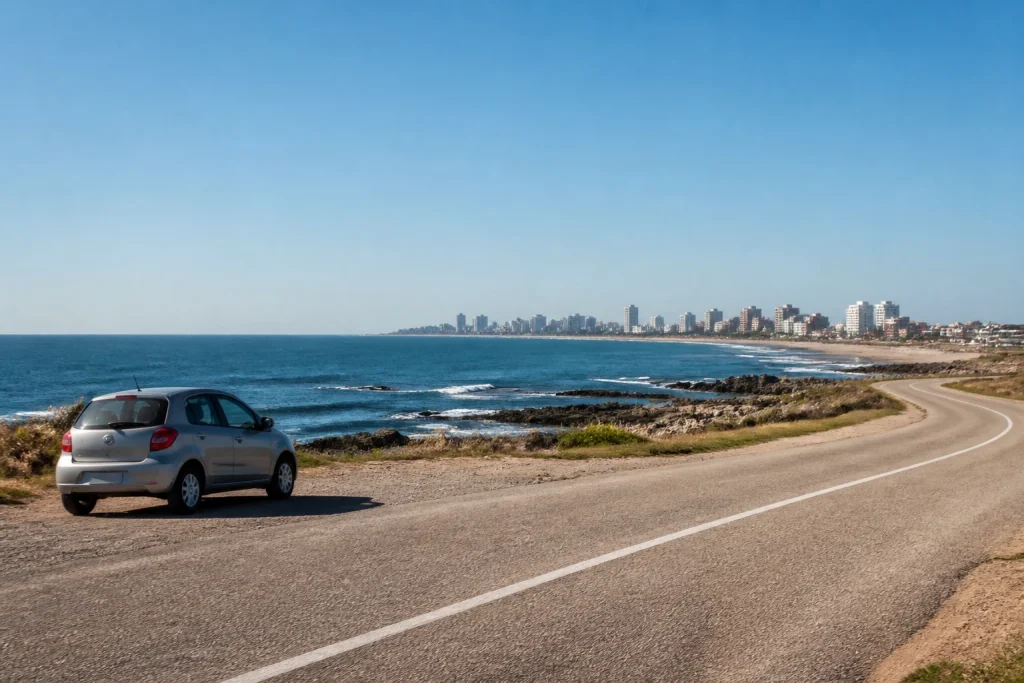
Exact journey times depend on traffic, the roads selected, stops, and conditions on the day. These templates are therefore route frameworks, not promises about how long you will be behind the wheel. Use them to decide where to spend nights, then finalize each day with current navigation and roadwork information.
| Trip shape | Route spine | How to plan it |
|---|---|---|
| Punta del Este and Montevideo | Ruta Interbalnearia | Use Punta del Este and Montevideo as the two anchors, with the road journey planned as a dedicated transfer day. |
| Eastern coastal sequence | Ruta 9 | Choose a small group from La Paloma, La Pedrera, Cabo Polonio, and Punta del Diablo, then allow daylight for secondary-road connections. |
| Punta del Este base with one road day | Either corridor | Pick one direction, set a turnaround point, and return before the later part of the day rather than adding an ambitious loop. |
For a short break, the Punta del Este base plan is the least complicated. For a longer vacation, an overnight in either direction gives the trip more breathing room. The key decision is not how many named places fit on a list. It is which corridor deserves your unhurried attention, and where you want to wake up after the road day is done.
Set a cost plan without inventing a daily total
Build your budget from current quotes rather than a generic daily figure. The main moving parts are the rental agreement, insurance excess, fuel, parking, overnight stays, food, and tolls. Booking dates, vehicle type, payment method, and the places where you stop will change the outcome substantially. The toll schedule gives one useful fixed starting point, but it does not represent the total cost of a Punta del Este road trip.
At the rental desk, make sure you understand which charges can be added later. Toll administration and traffic-fine processing are especially worth clarifying, as is the insurance excess if the car is damaged. Keep a little financial margin for a route change or an extra night. Flexibility is often more valuable than squeezing the journey into a rigid plan.
Plan accessibility one stop at a time
Do not assume that a rental car, lodging, coastal access point, trail, or restroom will meet a specific accessibility need. Before committing to a route, ask each operator for the practical details that affect your trip: parking layout, walking surfaces, slopes or steps, door and bathroom measurements, and the availability of accessible restrooms. Build extra time around stops where transfers or uneven ground could make the day harder.
Make Punta del Este the beginning and end of the journey
This road trip suits travelers who prefer a clear route spine, a few meaningful stops, and room to adapt. Its chief limitation is that conditions can change, especially in the busy beach season, so a current map and a daylight-first approach matter more than a tightly scripted schedule. Decide on west or east, organize your toll and rental details, and leave Punta del Este with enough time to enjoy the road instead of merely finishing it.
Bookend the drive with time in Punta del Este rather than treating the resort as a car-rental counter. The Best Things to Do in Punta del Este for First-Time Visitors can help shape an arrival or return day. If a beach day is part of the plan, Playa Brava vs Playa Mansa: Which Beach Suits Your Day offers a focused way to choose where to spend it. That balance of town time and open-road time makes the trip feel like a holiday, not a transfer.
Frequently asked questions
Which route should I take from Punta del Este for a Uruguay road trip?
The main choices are west on the Ruta Interbalnearia toward Montevideo or east on Ruta 9 toward La Paloma, La Pedrera, Cabo Polonio, and Punta del Diablo. Choose the direction that matches your overnight plan instead of trying to force both into a short itinerary.
How long should I allow for driving from Punta del Este?
Allow more time than a map’s optimistic estimate, particularly in the summer beach season and on secondary-road legs. Traffic, roadworks, limited illumination, markings, and road surfaces can all slow the day, so avoid building the itinerary around fixed arrival times.
What are the toll costs for a standard car in Uruguay?
Effective June 5, 2026, the published per-direction national-toll rates for a standard car or pickup are $196.57 at the basic rate, $167.00 with Telepeaje, and $214.00 via SUCIVE. Check again before travel because the rates are scheduled to update twice each year.
Can I drive in Uruguay with a US driver’s license?
Yes, a visitor using a US driver’s license can use that foreign license in Uruguay. Headlights must be on day and night, seat belts are mandatory, and mobile-phone use while driving is prohibited.
How do tolls work for a foreign-plated vehicle in Uruguay?
Foreign-plated vehicles have had visitor toll options including a 15-day Abono Extranjero and a 24-hour Pase Turista. Confirm the current option, payment method, and tag process before the first toll plaza because visitor arrangements can change.
Is it sensible to drive around Punta del Este and the coast after dark?
Plan longer drives and secondary-road legs for daylight whenever possible. Some secondary roads have limited illumination, pavement markings, and surface quality, while tourist traffic can be heavy on the main corridors.