Getting around Punta del Este without a car works best as a layered plan: choose a central base, walk the nearby sights, use local buses for useful links, and keep taxis, remises, Uber, or Cabify for luggage, later plans, and tight timings. The Península, Avenida Gorlero, port, and terminal area give a car-free stay its easiest rhythm.
Start with a simple car-free strategy
- Book accommodation on or close to the Península, Avenida Gorlero, the port, or the bus terminal to reduce transfers.
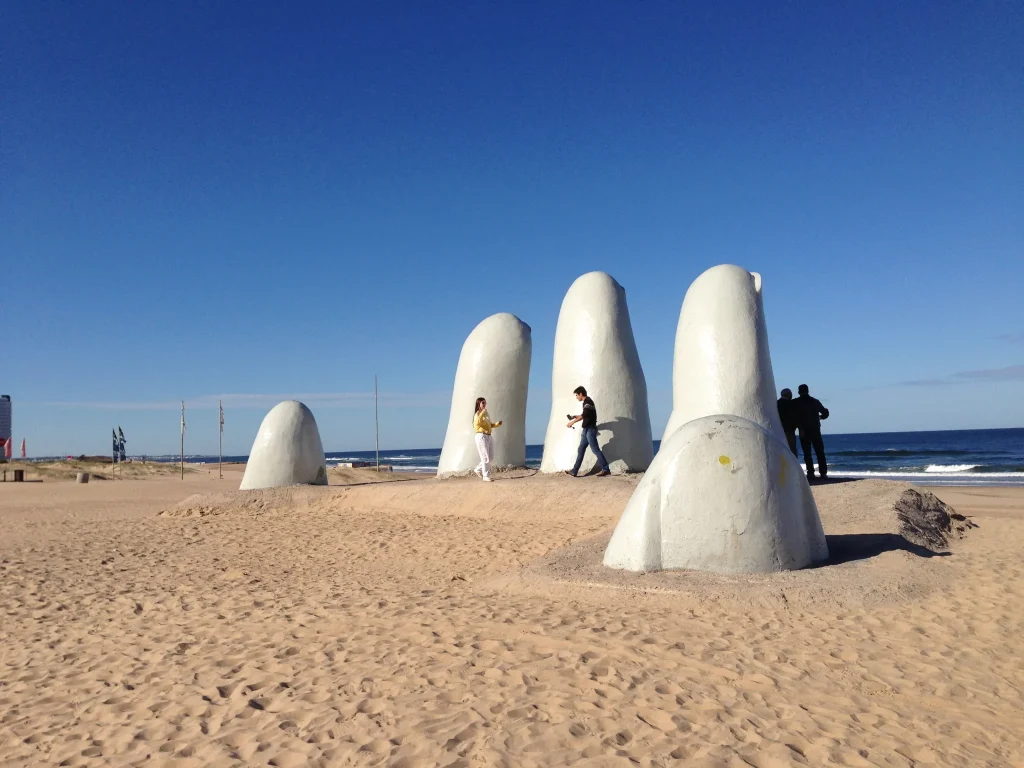
- Walk the central circuit first, then use local buses to link visitor areas such as La Mano, the port, and Avenida Gorlero.
- Choose a taxi, remise, Uber, or Cabify when carrying bags, protecting a reservation, or returning after an evening out.
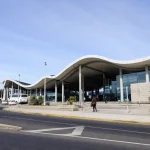
- Use COPSA’s Línea Este for scheduled arrivals from Montevideo or the airport, leaving time for traffic-sensitive arrivals.
- For La Barra or José Ignacio, choose a departure that explicitly lists that destination rather than assuming every eastbound service continues there.
The key is to avoid treating every outing as a separate transport puzzle. Group nearby plans into a walking block, then use one bus or paid ride to bridge the larger gap. That approach keeps the day flexible and makes Punta del Este feel like a place to explore rather than a list of connections to chase.

Punta del Este Classic City Tour with Sunset at Casapueblo
This tour is the best way to get to know Punta del Este in depth. If it's your first time in Punta, we recommend taking the City Classic to get a good...

Private Have It Your Way Tour in Punta Del Este
Be prepared for an exclusive trip through Punta del Este with a true local! We will share our knowledge in an engag...

Private Tour in Punta del Este
You will live the Punta del Este experience on an exciting guided tour with personalized service where you will disc...
Choose a base that keeps daily trips short
A central address pays off more than any transport trick. Accommodation near the Península, Gorlero, port, and terminal places you close to the main visitor circuit and bus-connected sights. It also gives you more freedom to walk back between beach time, meals, and an unplanned pause by the water.
For a fuller neighborhood comparison, the site’s Where To Stay overview can help narrow the search before booking. If beach time will shape the trip, the Playa Brava vs Playa Mansa comparison is useful for matching your preferred shore with a practical base.
What a central location buys you
Central stays reduce the number of moments when you need to know a route, wait for a ride, or retrace your steps. You can start the morning on foot, return to drop off beach gear, and head out again without turning the middle of the day into a transfer. Check the exact address against your first and last planned activity before reserving.
When location matters even more
Staying farther east or inland is still possible without driving, but the plan becomes more dependent on local-bus schedules and paid rides. That can work well for travelers who are happy to organize each outing in advance. For a short first visit, a central base leaves more room for spontaneous walks and less room for logistics.
Make walking the default for the central sights
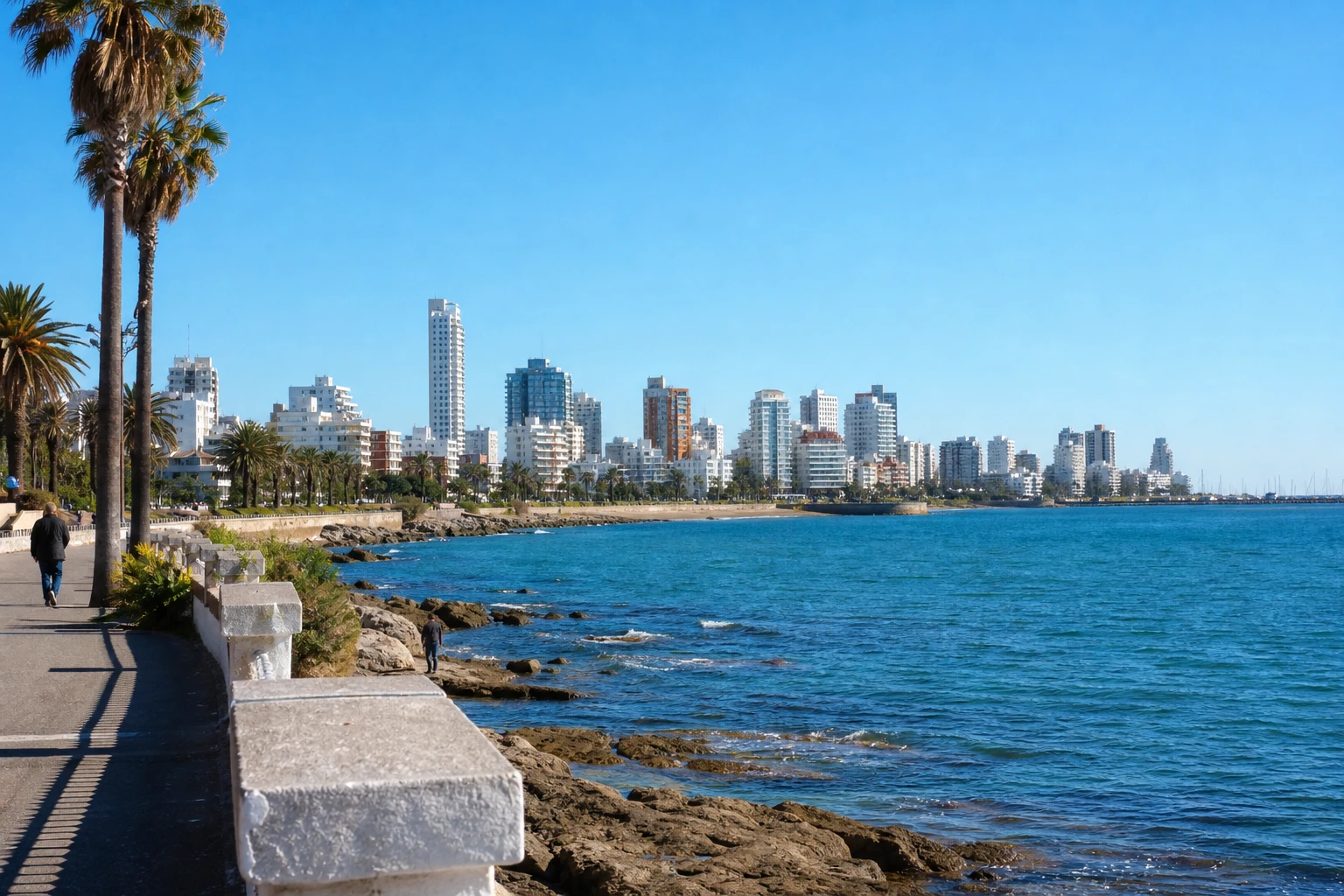
Walking is the foundation of a no-car stay in the center. Local transport information identifies La Mano, the port, and Avenida Gorlero among the major visitor areas linked by bus, which also makes them natural anchors for a day that begins and ends on foot. A Walking the Peninsula: Lighthouse, Marina, Gorlero route offers a useful shape for exploring the core at an unhurried pace.
Rather than mapping one oversized loop, split the center into manageable sections. Pair one waterfront stretch with the port and Gorlero, then decide after a coffee or lunch whether to continue walking or switch to a bus or ride. This keeps a change in weather, energy, or plans from disrupting the entire day.
Use walks to create breathing room
Build a little spare time into each walking block. That spare time is what lets you stop for a view, take a longer lunch, or follow an appealing side street without worrying about a vehicle waiting somewhere. Keep your accommodation address saved on your phone, and decide in advance which moments would justify taking a ride instead of walking back.
Use local buses as connectors, not complications
Local buses are part of the transport mix for Punta del Este and connect major visitor areas including La Mano, the port, and Avenida Gorlero. They are most useful when a route lines up neatly with your plan, especially for linking a central stay with a specific beach or neighborhood rather than trying to assemble a full day around several transfers.
Treat each local-bus trip as a specific journey to confirm close to travel time. Check the departure point, direction, current timing, and payment details for the exact trip you need. If the outing has a fixed meeting time, choose an earlier option or use a taxi, remise, or app ride as the more direct fallback.
- Set the exact origin and destination before leaving your accommodation.
- Confirm the current departure point, service direction, timing, fare, and payment method for that journey.
- Allow extra time when the trip leads to a timed activity, dinner reservation, or departure.
- Decide on your return plan before you leave the central area, especially for an evening outing.

Private Transfer to Punta del Este Airport
We offer private and punctual transfers to the Punta del Este Airport, in authorized vehicles, and with correspondin...

1 - Way from Punta del Este to MVD Carrasco international Airport
Enjoy the privacy and comfort of a private ride from Punta del Este - Maldonado to Carrasco International Airport ,A...

Punta del Este Shore Excursion: Private Sightseeing Tour of Punta del Este
Explore the sophisticated resort town of Punta del Este on this 4-hour private shore excursion. With a private guide...
When a bus is the right call
Use a local bus when it replaces a long walk with one clear connection and leaves you enough flexibility at the other end. For a simple central-to-sight trip, it can be a sensible part of the day. If the route requires several decisions, the saved money may not outweigh the time and attention it takes away from the destination.
Choose taxis, remises, app rides, and bikes for the right moments
Punta del Este’s visitor information lists taxis, remises, Uber, Cabify, and bicycle rental alongside local buses. These options are especially useful when you arrive with luggage, need a direct trip, have limited time, or want to avoid tying an evening plan to a bus schedule.
Use paid rides strategically
A paid ride can be the sensible choice for one difficult leg rather than the default for the entire trip. Use it to protect a dinner booking, make a timed departure, or return to your accommodation after a plan runs later than expected. Keep the accommodation address and destination details ready before requesting the ride, and leave a buffer for any onward reservation.
Consider a bicycle rental for a self-directed day
Bicycle rental is another available option for travelers who prefer to set their own pace. Confirm the rental terms, return arrangements, and the route you intend to ride before committing to a full-day hire. A bike works best when it simplifies the day rather than adding an unfamiliar route and a fixed return deadline to the plan.
Arrive from Montevideo or the airport on COPSA Línea Este
COPSA’s Línea Este timetable, effective March 2, 2026, includes stops at Montevideo, Aeropuerto, Maldonado, and Punta del Este. Selected services continue onward to La Barra and José Ignacio. This makes the route a practical scheduled option for car-free arrivals, provided you choose a departure that lists the stop you actually need.

COPSA lists the standard Montevideo to Punta del Este fare at $466 one way and $932 return. The listed tariff is subject to change, and terminal boarding charges are not included, so recheck the fare and any terminal fee when booking or before travel.
Build a buffer around scheduled arrivals
The COPSA timetable separates weekday services from other operating days, and the operator treats passing and arrival times as estimates affected by traffic. Do not schedule a tight hotel check-in, tour meeting, or onward connection immediately after the posted arrival. A modest buffer makes a car-free arrival far less stressful.
Plan La Barra and José Ignacio as deliberate day trips
Do not assume an eastbound COPSA service will continue beyond Punta del Este or Maldonado. Many published timetable rows end there, while only selected services list La Barra or José Ignacio. For an east-coast day, choose the specific outbound departure and think through the return before you leave the center.
La Barra After Sunset: Galleries, Wavy Bridge, Late Dinners is best approached with the journey home in mind, particularly if the outing runs into the evening. A Slow Coastal Day in José Ignacio benefits from the same discipline: select a service explicitly marked for José Ignacio and avoid building the day around an assumed continuation.
Read the destination column, not just the route name
Before committing to an eastern outing, match the day type, departure time, and listed final destination to your plan. The service pattern changes by operating day, and the stop list matters. This one check prevents the classic no-car mistake of discovering too late that the selected departure ends short of the beach town you meant to visit.
Still comparing Punta Del Este Car Free Transport Planning?
Ask for tour ideas, hotel suggestions, or a simple trip plan that combines both.
Trip Helper
Arrange accessibility details before arrival
Travelers with mobility needs should confirm the specific journey with the relevant bus operator, accommodation, and taxi or remise provider before arrival. Ask directly about step-free boarding, wheelchair space, luggage handling, transfer conditions, and the equipment needed for your trip. This is particularly important when an intercity arrival connects with a local journey.
- Confirm whether the exact bus departure and boarding point can accommodate your mobility equipment.
- Ask the accommodation about the most suitable arrival point and route to the entrance.
- Arrange a taxi or remise in advance if a direct transfer is necessary for your needs.
- Build extra time into airport, terminal, and intercity connections.
A low-stress no-car itinerary to copy
Use this as a planning structure rather than a fixed timetable. It keeps the easiest parts of Punta del Este on foot and reserves scheduled transport for the journeys where it provides the clearest value.
Arrival day: settle into the central circuit
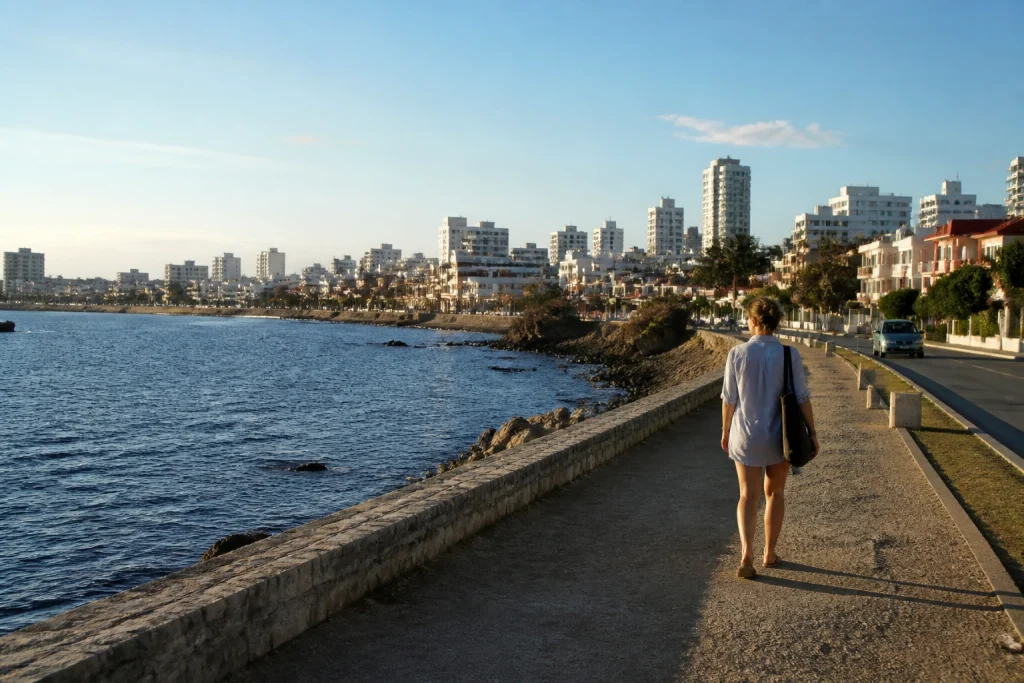
Arrive on a COPSA service if traveling from Montevideo or Aeropuerto, then use a direct ride if luggage or timing makes that easier. Once settled, keep the first outing close to your base. A short walk through the Península, port, or Gorlero area is easier to adapt than a long cross-town plan after an intercity journey.
Full day: walk first, then add one connection
Choose nearby sights and beach time that fit together on foot. If one part of the day sits farther away, make that a single local-bus or paid-ride segment instead of trying to stitch together several transfers. The result is a day with room for a late lunch, a longer shoreline pause, or a change in plans.
East-coast day: travel only on an explicitly listed service
For La Barra or José Ignacio, make transport the first item on the itinerary. Confirm that the selected departure serves the town, then plan the day around that connection and a realistic return. If the timetable does not fit the experience you want, save the outing for another day rather than forcing the schedule.
Check these details before leaving your accommodation
- For a COPSA trip, check the current timetable, operating-day pattern, and exact destination listed for your departure.
- Recheck intercity fares and account for terminal boarding charges, which are separate from COPSA’s listed fare.
- Give traffic-sensitive arrivals breathing room before a hotel check-in, tour, or onward connection.
- For a local bus, confirm the departure point, direction, timing, fare, and payment details for that exact journey.
- If using a taxi, remise, Uber, Cabify, or rental bike, keep it as a purposeful tool for the leg where it saves the most hassle.
The best car-free plan is a central one
Punta del Este rewards travelers who keep the core walkable, use buses for clearly useful links, and save paid rides for the moments when time or luggage matters. Base yourself near the central circuit, read COPSA’s stop list carefully for longer trips, and treat La Barra or José Ignacio as planned outings. With those choices made, a rental car becomes optional rather than essential.
Frequently asked questions
Can you get around Punta del Este without a car?
Yes. A central stay combined with walking, local buses, taxis, remises, Uber, Cabify, and occasional bicycle rental can cover the main transport needs of a Punta del Este visit.
What transport options are available in Punta del Este?
Available options include local buses, taxis, remises, Uber, Cabify, and bicycle rental. Local buses connect major visitor areas including La Mano, the port, and Avenida Gorlero.
Can I get from Montevideo or the airport to Punta del Este by bus?
Yes. COPSA’s Línea Este timetable includes Montevideo, Aeropuerto, Maldonado, and Punta del Este, though arrival times are traffic-sensitive and should be treated as estimates.
Do all COPSA buses go to La Barra or José Ignacio?
No. Many scheduled services end at Punta del Este or Maldonado, and only selected timetable rows list onward stops in La Barra or José Ignacio.
Where should I stay in Punta del Este if I will not have a car?
Prioritize the Península, Avenida Gorlero, port, or terminal area. This central circuit reduces dependence on local-bus schedules and paid rides for the main visitor sights.
How much is the COPSA bus from Montevideo to Punta del Este?
COPSA lists a standard fare of $466 one way and $932 return. Terminal boarding charges are not included, and fares can change, so check the current total before travel.
Is public transportation in Punta del Este accessible?
Accessibility arrangements should be confirmed for each specific journey before arrival. Contact the relevant bus operator, accommodation, and taxi or remise provider about boarding, equipment space, and transfer needs.
Punta del Este Classic City Tour with Sunset at Casapueblo
This tour is the best way to get to know Punta del Este in depth. If it's your first time in Punta, we recommend taking the City Classic to get a good...