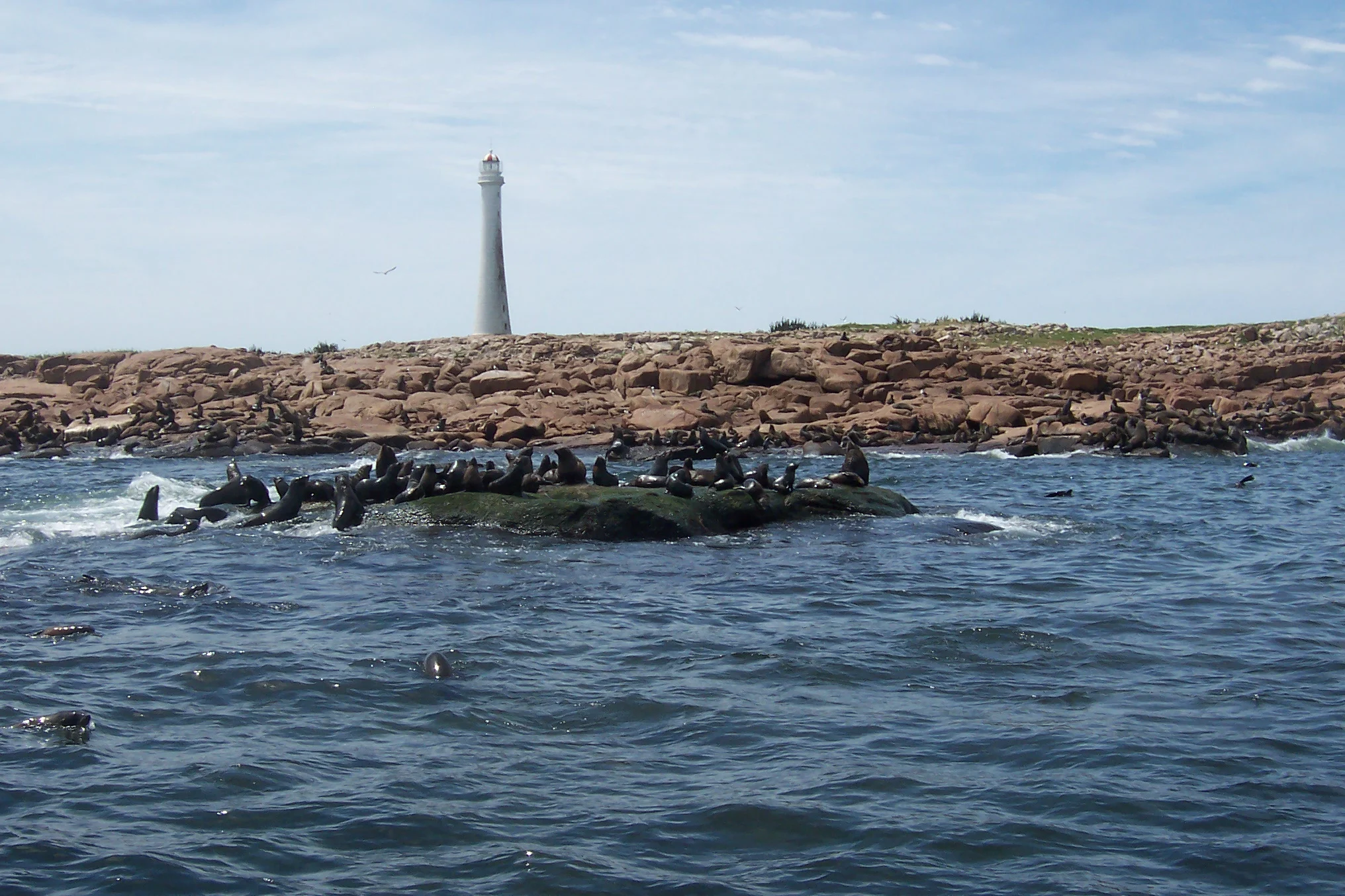
An Isla de Lobos boat tour is a short wildlife cruise from Punta del Este, not an island day trip. Shared excursions leave from the city’s port, cross open water, circle the protected island, and return without passengers going ashore. The main rewards are views of South American fur seals, South American sea lions, rocky habitat, and the island lighthouse.
- Allow approximately two hours for the standard shared excursion.
- Expect about 40 minutes of travel each way and roughly 40 minutes near the island.
- Current commercial tours circle Isla de Lobos without landing.
- Departures depend on weather, and at least one listing requires a minimum of 10 passengers.
- Wildlife is the focus, while swimming is conditional and should never be treated as guaranteed.
This excursion works best for travelers who want a concentrated marine experience without giving up an entire day. Its main limitation is the ratio of travel to viewing time: about 80 minutes of the advertised two-hour outing are spent crossing between the port and the reserve. The tradeoff feels reasonable if wildlife and maritime scenery are priorities, but less so if you expect a beach stop or time ashore.

Punta del Este Classic City Tour with Sunset at Casapueblo
This tour is the best way to get to know Punta del Este in depth. If it's your first time in Punta, we recommend taking the City Classic to get a good...

Wine Lovers - Bodega Garzon Experience
Get ready to be wowed by Bodega Garzon, which has been named the Best Winery in the Southern Hemisphere! We at The W...

Punta del Este Shore Tour for Cruise Passengers
Join us on a tour to discover Punta del Este, one of Latin America’s most exclusive destinations. With its elegant...

Punta del Este Shore Excursion: Private Sightseeing Tour of Punta del Este
Explore the sophisticated resort town of Punta del Este on this 4-hour private shore excursion. With a private guide...
What the Isla de Lobos tour is really like
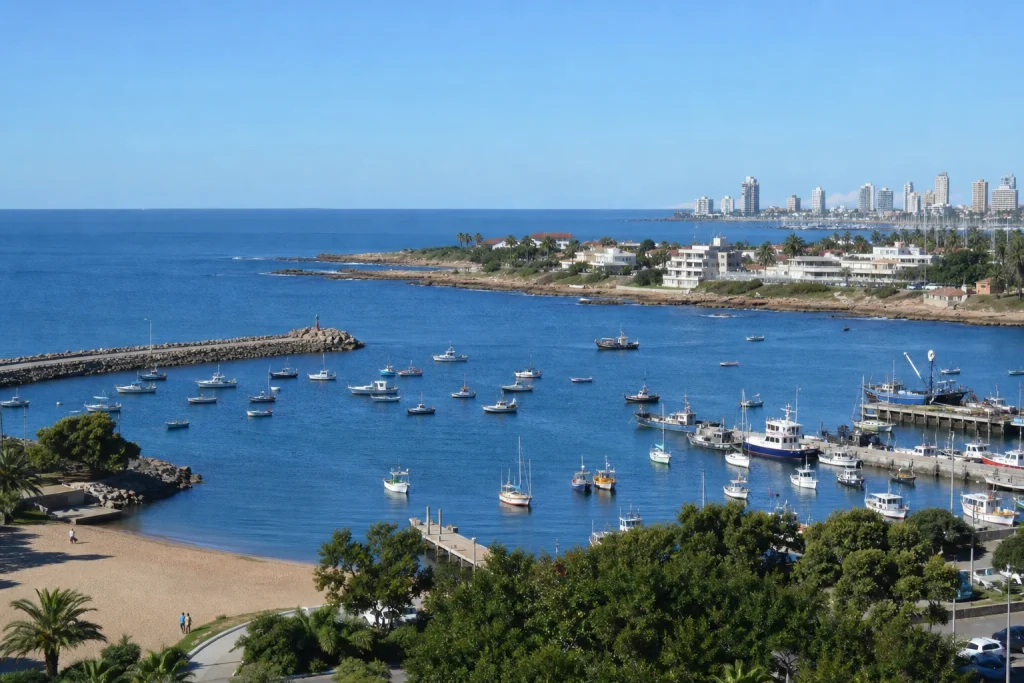
The standard shared trip is a maritime sightseeing circuit. After leaving Puerto Punta del Este, the boat heads toward the protected area and navigates around the island so passengers can observe its wildlife and lighthouse from the water. There is no routine landing component, so plan for the whole experience to take place aboard the vessel.
| Planning point | What to expect |
|---|---|
| Departure area | Puerto Punta del Este |
| Typical advertised duration | Approximately two hours |
| Approximate route timing | 40 minutes outbound, 40 minutes around the reserve, 40 minutes back |
| Access to the island | No landing on current commercial circuits |
| Main focus | Pinnipeds, marine habitat, and lighthouse views |
| Operational limits | Weather conditions and, on at least one listing, a minimum passenger count |
Conditions shape the character of the ride. A smooth day can make the crossing feel like a relaxed coastal cruise, while stronger motion demands more attention to balance and personal comfort. Stay seated whenever the crew asks, keep loose belongings secure, and choose a stable handhold when moving around the boat.
Why Isla de Lobos is a protected wildlife destination
Isla de Lobos, its neighboring islet, rocky outcrops, and the surrounding marine environment form one connected protected area. The site entered Uruguay’s National Protected Areas System in 2024. Its conservation priorities include South American fur seals and South American sea lions, the two animals most closely associated with the excursion.
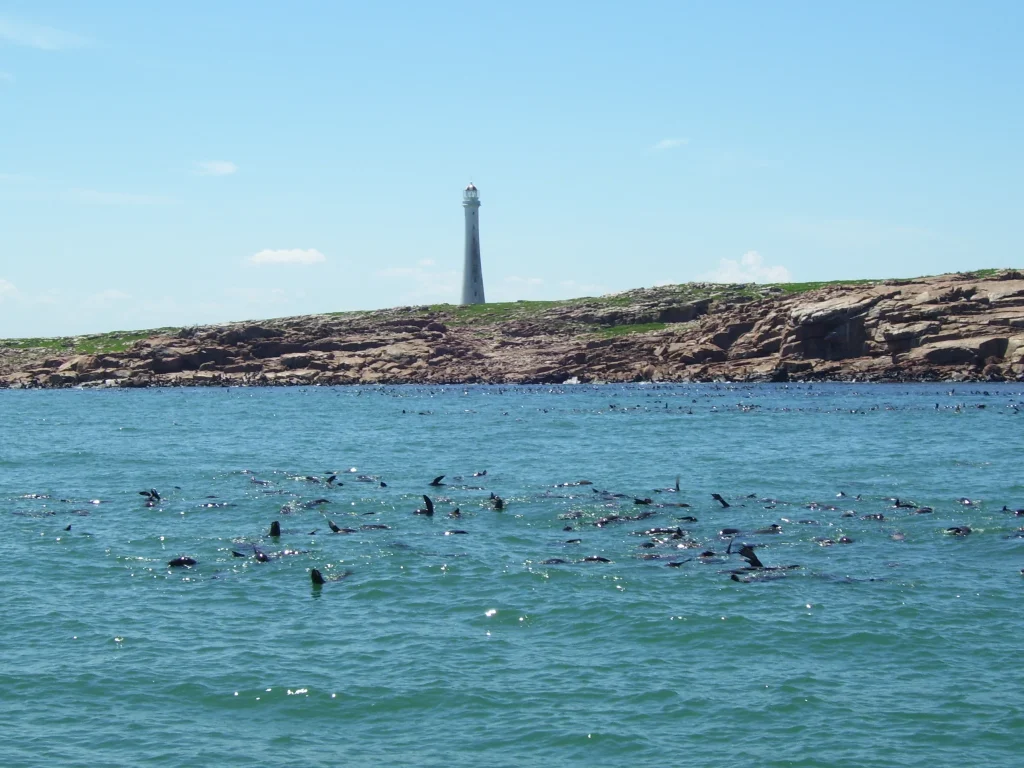
The no-landing format changes how visitors experience the reserve. Instead of walking through habitat, passengers observe it at a distance while the boat follows its circuit. This gives the outing a clear wildlife-watching rhythm: scan the rocks, watch the surrounding water, then shift attention toward the lighthouse and wider marine landscape.
Protected status also calls for restraint. Follow crew directions, keep noise and movement under control near animals, and never expect touching or direct contact. Wildlife decides how close it comes to the boat. A responsible tour should be satisfying without requiring an animal to change its behavior for a photograph.
Departure point, route, and tour duration
Shared excursions depart from Puerto Punta del Este. One current operator lists its office at Local 1A in the port, but the exact check-in position can depend on the company and vessel. Review the booking confirmation before leaving your accommodation and arrive with enough time to locate the correct desk or boat.
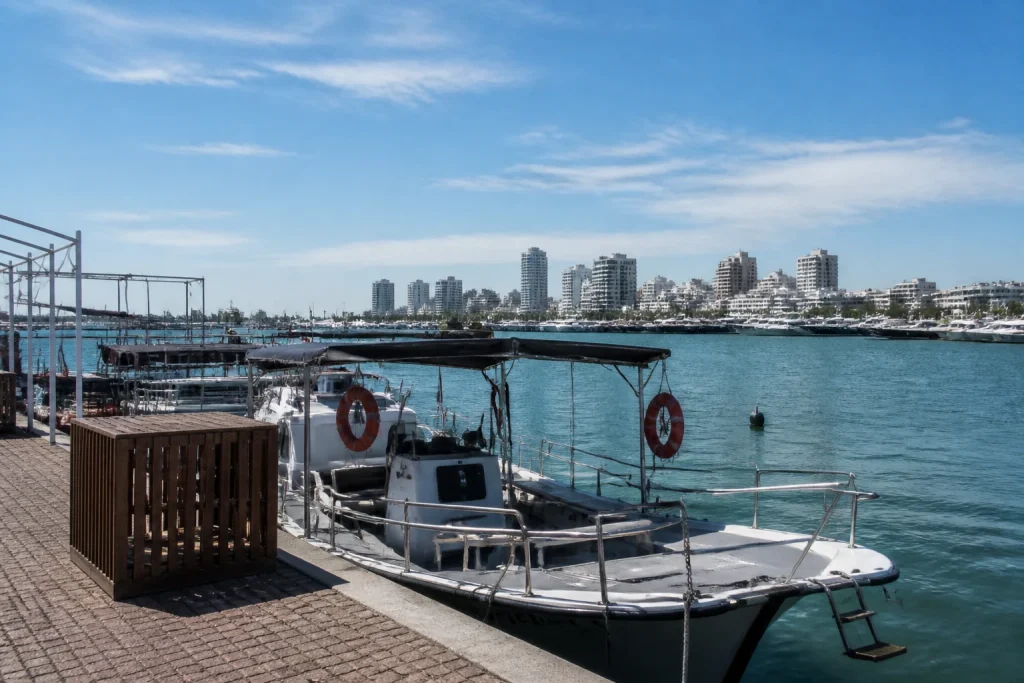
Uruguay’s Ministry of Environment places the protected site 8.1 kilometers from the coast, while one operator describes the island as 12 kilometers offshore. Since the references differ, the advertised crossing time is more useful for planning: roughly 40 minutes in each direction under the operator’s standard itinerary.
How to plan your arrival at the port
Treat the harbor as a meeting area rather than a single universal boarding point. Have the lead traveler’s booking details ready, confirm the boat name if one is provided, and ask staff before joining a queue. Footwear with a secure sole is preferable to loose sandals when stepping onto a moving vessel.
- Check the confirmed operator, meeting point, and departure time.
- Reconfirm that the trip is running before traveling to the port.
- Arrive early enough to find the correct boarding area.
- Keep identification and booking details easy to reach.
- Listen to the safety briefing and locate your life jacket.

Private Have It Your Way Tour in Punta Del Este
Be prepared for an exclusive trip through Punta del Este with a true local! We will share our knowledge in an engag...

Private Tour in Punta del Este
You will live the Punta del Este experience on an exciting guided tour with personalized service where you will disc...
Punta del Este Shore Excursion: Private Sightseeing Tour of Punta del Este
Explore the sophisticated resort town of Punta del Este on this 4-hour private shore excursion. With a private guide...
Weather, departure times, and cancellation risk
A current shared-tour listing advertises a daily noon departure, and another ticket listing also gives noon under normal conditions. That schedule is weather-dependent, and at least one listing requires a minimum of 10 passengers. Treat the advertised time as the planned departure rather than an unconditional promise that the boat will sail.
Reconfirm the trip on the day, especially when wind or unsettled weather is expected. Avoid placing the cruise immediately before a flight, long-distance transfer, or nonrefundable timed reservation. A delayed return or canceled departure is easier to absorb when the rest of the day remains flexible.
- Keep the operator’s contact details available.
- Check messages before heading to the harbor.
- Leave flexible time after the expected return.
- Review the cancellation and rescheduling conditions before paying.
- Have a land-based backup activity in mind.
Current prices and what to confirm before booking
One currently indexed operator lists its shared Isla de Lobos tour at US$70 per adult and US$50 for children under 10. This is an operator-specific fare, not a fixed price for every boat. Confirm the current amount, currency, child age band, inclusions, payment terms, and cancellation policy when selecting a departure.
Read the package description closely rather than comparing prices alone. Check the total duration, vessel type, passenger capacity, included refreshments, onboard amenities, swimming policy, and refund rules. If several people are traveling together, also confirm that the departure has enough remaining spaces before arranging the rest of the day.
Travelers comparing this cruise with other Punta del Este tours should focus on the experience type. Isla de Lobos is primarily a short offshore wildlife outing. It does not provide beach time, an island walk, or a flexible return schedule.
Wildlife and scenery you can see from the boat
South American fur seals and South American sea lions are the core wildlife attraction. Both are priority species within the protected area, and the boat circuit is designed around viewing their island and marine habitat. The lighthouse supplies a strong visual landmark while the low island, exposed rocks, and surrounding water frame the wildlife scene.
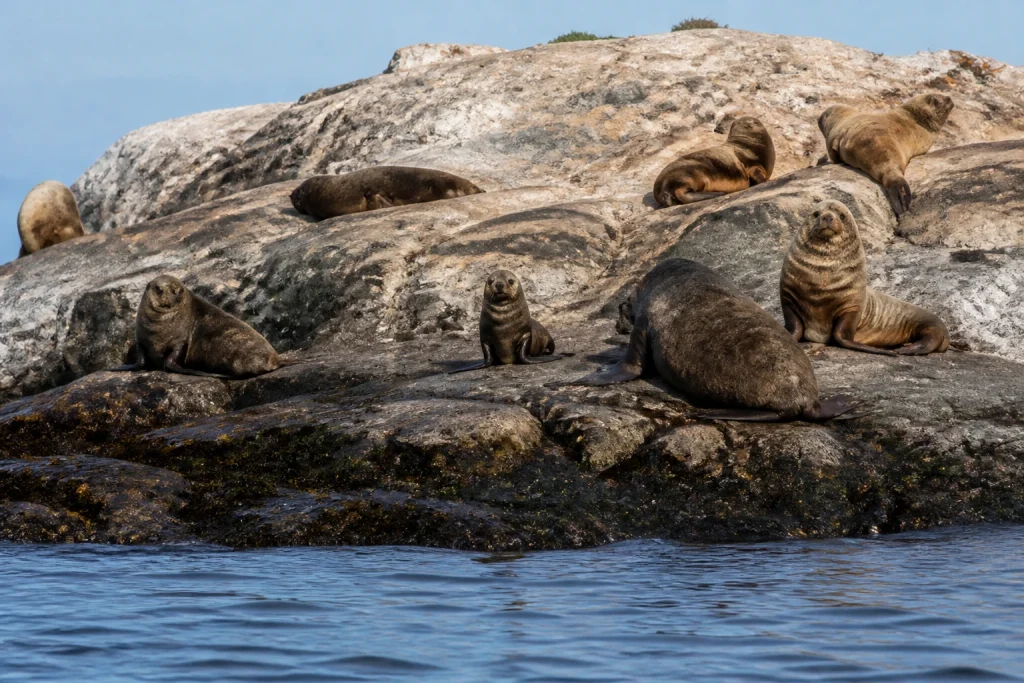
Sea lions and fur seals are the dependable focus
Keep scanning both land and water as the boat approaches the reserve. Pinnipeds can occupy different parts of the habitat, so a fixed view in one direction can miss activity elsewhere. Binoculars help with details, but the experience does not depend on specialized equipment.
Other marine animals are possible, not promised
The wider protected environment supports marine birds, dolphins, orcas, and sea turtles. The area is also relevant to southern right whale migration. These species add possibility to the crossing, but they should be treated as bonus sightings rather than part of a guaranteed wildlife checklist.
For photography, use a fast shutter speed if your camera permits it and shoot short bursts rather than filling the memory card continuously. Keep the horizon in a few frames to show the offshore setting. A wrist or neck strap is valuable on a moving boat, and a dry cloth helps clear spray from a lens.
Can you swim with sea lions on the tour?
Swimming should be viewed as a possible extra, not a guaranteed part of every Isla de Lobos tour. One operator advertises a potential 10 to 15-minute opportunity to enter the water from the boat, while another describes bathing as dependent on weather. Conditions, permissions, vessel procedures, and crew judgment can affect what happens on the day.
Ask the operator how swimming is handled before booking if it matters to you. Confirm whether equipment is provided, what level of swimming ability is expected, and whether age or health restrictions apply. Once aboard, the crew’s decision is final for practical purposes because weather and wildlife conditions can change.
- Do not assume swimming is included in the base fare.
- Enter the water only when the crew explicitly permits it.
- Maintain the distance and behavior required by the crew.
- Never expect to touch, feed, chase, or pose with wildlife.
- Bring dry clothing only if your selected trip confirms an in-water option.
Still comparing Isla De Lobos?
Ask for tour ideas, hotel suggestions, or a simple trip plan that combines both.
Trip Helper
What to bring for the crossing
Pack for sun, wind, spray, and a moving deck. Even on a bright day, exposed water can make conditions feel different from the sheltered harbor. Keep the load small enough to manage easily, and place electronics or documents in a water-resistant pouch.
- A light wind-resistant layer
- Secure, non-slip footwear
- Sun protection and sunglasses with a strap
- A small water-resistant bag or pouch
- Binoculars or a camera with a secure strap
- Water and any personal medication you normally carry
Travelers prone to motion sickness should plan before boarding rather than waiting for discomfort to begin. Choose a seat where you feel stable, look toward the horizon, and avoid spending the full crossing focused on a phone screen. Ask a pharmacist or medical professional about suitable medication when personal health conditions or other medicines need to be considered.
Accessibility and who should think carefully before booking
Do not assume the tour is wheelchair-accessible based on general vessel amenities. Published information does not specify step-free boarding, gangway slope, wheelchair storage, accessible toilets, transfer assistance, or adapted seating. Travelers with mobility, balance, sensory, or medical needs should ask about the exact boat assigned before purchasing.
Useful questions include the number and height of boarding steps, the width of access points, availability of handrails, distance to the toilet, seating support, and whether a companion can assist. Conditions at the dock and movement during the crossing also matter, so a general statement that help is available is not enough to judge individual suitability.
Families should consider each child’s comfort with a two-hour boat ride and about 80 minutes of total transit. Confirm the operator’s child age rules, life-jacket sizing, and swimming restrictions. The advertised child category is not consistent across all sellers, so use the policy attached to the ticket being purchased.
How to fit the cruise into a Punta del Este itinerary
Keep the period after the cruise flexible. Although the shared outing is advertised at approximately two hours, offshore operations depend on weather and passenger requirements. A casual meal or self-guided walk is easier to adjust than a tightly timed transfer or prepaid attraction.
If the boat returns as planned, continue with a walk around the Punta del Este Peninsula, including the marina, lighthouse area, and Gorlero. This keeps the day geographically focused and avoids turning a short cruise into a rushed journey across the wider resort.
Operating conditions and the feel of the destination can change across the year. A comparison of Punta del Este’s summer season and off-season is useful when deciding how much flexibility to leave in a broader coastal itinerary.
Is the Isla de Lobos boat tour worth it?
The tour is worthwhile for wildlife watchers, photographers, lighthouse enthusiasts, and travelers who enjoy being on the water. It delivers a focused look at a protected habitat within a compact outing. The strongest reason to go is the chance to observe South American fur seals and sea lions in the island environment protected for them.
Skip it if your ideal island excursion requires walking ashore, spending time on a beach, or controlling your own return time. Standard commercial trips are sightseeing circuits, and most of the advertised schedule consists of the outbound and return crossings. Weather dependence is another important limitation for travelers with rigid plans.
For a first visit, compare the cruise with the best things to do in Punta del Este for first-time visitors before assigning it a place in the itinerary. Book only after checking the current departure status, exact fare, meeting point, and accessibility needs. Then approach the trip for what it does well: a concise offshore encounter with one of the region’s distinctive protected marine environments.
Frequently asked questions
How long is the Isla de Lobos boat tour?
The standard shared excursion is advertised at approximately two hours. One operator divides that into about 40 minutes outbound, 40 minutes navigating around the reserve, and 40 minutes returning.
Where do Isla de Lobos tours depart?
Shared tours depart from Puerto Punta del Este. Check the booking confirmation for the operator’s exact desk, boat, and check-in point within the port.
Can visitors land on Isla de Lobos?
No, current commercial sightseeing tours circle the island without disembarking. The experience takes place from the boat and focuses on wildlife and lighthouse views.
What animals can you see at Isla de Lobos?
South American fur seals and South American sea lions are the main wildlife focus. Marine birds, dolphins, orcas, sea turtles, and migrating southern right whales also occur in the wider environment, but those additional sightings are not guaranteed.
Can you swim with sea lions during the tour?
Swimming is possible on some advertised trips, but it is conditional and not guaranteed. Weather, wildlife conditions, operator procedures, and crew decisions can determine whether anyone enters the water.
How much does an Isla de Lobos boat tour cost?
One currently indexed operator lists US$70 per adult and US$50 for children under 10. Prices and child categories can differ by operator, so confirm the fare, currency, inclusions, and cancellation terms for the selected ticket.
Do Isla de Lobos tours run in bad weather?
Departures and returns depend on weather conditions. At least one ticket listing also requires a minimum of 10 passengers, so reconfirm the sailing status on the day.
Is the Isla de Lobos boat tour wheelchair-accessible?
Accessibility cannot be assumed. Published details do not establish step-free boarding, accessible toilets, wheelchair storage, transfer assistance, or adapted seating, so ask about the specific vessel before booking.
Isla de Lobos is viewed from the water on commercial sightseeing circuits that do not land by Sandra Pineda Arce La Torre / Alfredobi, CC BY-SA 3.0.
Punta del Este Classic City Tour with Sunset at Casapueblo
This tour is the best way to get to know Punta del Este in depth. If it's your first time in Punta, we recommend taking the City Classic to get a good...

The Best of Punta del Este Old Town Private Walking Tour
Discover the best of Punta del Este’s historic center, from the iconic Fingers sculpture to the historic lighthous...
Punta del Este Shore Excursion: Private Sightseeing Tour of Punta del Este
Explore the sophisticated resort town of Punta del Este on this 4-hour private shore excursion. With a private guide...
Punta del Este Shore Tour for Cruise Passengers
Join us on a tour to discover Punta del Este, one of Latin America’s most exclusive destinations. With its elegant...
Punta del Este Classic City Tour with Sunset at Casapueblo
This tour is the best way to get to know Punta del Este in depth. If it's your first time in Punta, we recommend taking the City Classic to get a good...
Punta del Este Shore Tour for Cruise Passengers
Join us on a tour to discover Punta del Este, one of Latin America’s most exclusive destinations. With its elegant...
Punta del Este Shore Excursion: Private Sightseeing Tour of Punta del Este
Explore the sophisticated resort town of Punta del Este on this 4-hour private shore excursion. With a private guide...
The Best of Punta del Este Old Town Private Walking Tour
Discover the best of Punta del Este’s historic center, from the iconic Fingers sculpture to the historic lighthous...
Experiences to explore
 Explore experience ↗
Private Transfer from Montevideo to Punta Del Este Cruise Port
◷ 2 hr 30 min
Book your Private Transfer from Montevideo city hotels or any address to Punta Del Este Cruise Port. Don't go through all the hassle of
See dates for Current pricing
View dates Explore experience ↗
Punta del Este Shore Tour for Cruise Passengers
◷ 3 hr–4 hr
Join us on a tour to discover Punta del Este, one of Latin America’s most exclusive destinations. With its elegant neighborhoods, coast
See dates for Current pricing
View datesExplore experience ↗Private Transfer from Punta Del Este Cruise Port to Montevideo
◷ 2 hr 30 min
Book your Private Transfer from Punta Del Este Cruise Port to Montevideo city hotels or any address. Don't go through all the hassle of
See dates for Current pricing
View dates