Punta del Este rewards travelers who give the day a little shape. Start with one part of town or one coastal stop, leave room for a long walk or a beach pause, then let dinner or an evening outing set the pace. This Punta del Este guide focuses on the practical choices that matter most: when to visit, how to arrive, how to move around, and how to build an itinerary that feels manageable rather than rushed.
Start with a simple Punta del Este plan
- For beach-centered travel, summer brings indicative temperatures of 21–28°C; August is part of the Southern Hemisphere winter, when indicative temperatures are 6–17°C.
- COPSA publishes Linea Este bus services from Montevideo and an airport stop to Punta del Este. Check the timetable for your exact travel date because departure patterns differ by day.
- A published COPSA fare table lists UYU 466 one way between Montevideo and Punta del Este, excluding the terminal boarding charge. Verify the fare when booking.
- A car gives freedom to build a wider itinerary, but tolls, fuel, parking, rental terms, and passenger numbers all affect the real cost.
- For step-free sightseeing, focus on the named public spaces with documented accessible features, then confirm transport, accommodation, beach access, and toilets separately.
The easiest approach is to choose a main theme for each day. A walk around the Peninsula, a beach-focused afternoon, an accessible public-space route, or an outing toward Punta Ballena can each stand on its own. That leaves room to enjoy the destination without turning every hour into a transfer or a checklist.

Punta del Este Shore Excursion: Private Sightseeing Tour of Punta del Este
Explore the sophisticated resort town of Punta del Este on this 4-hour private shore excursion. With a private guide, enjoy a scenic drive with stunni...

Jewish History Punta del Este Old Town Private Walking Tour
Uncover Punta del Este’s Jewish heritage as you explore synagogues, cultural landmarks, and hidden gems. Stroll th...

Private Have It Your Way Tour in Punta Del Este
Be prepared for an exclusive trip through Punta del Este with a true local! We will share our knowledge in an engag...

Punta del Este Shore Tour for Cruise Passengers
Join us on a tour to discover Punta del Este, one of Latin America’s most exclusive destinations. With its elegant...
Build your days around the Peninsula, beach, and nearby coast
A walk-based first day is a useful way to get oriented. The site’s Walking the Peninsula: Lighthouse, Marina, Gorlero guide is a focused companion for travelers who want to organize a Peninsula stroll around those recognizable landmarks and streets. Keep the route flexible, stopping when a café, view, or change in weather earns your attention.
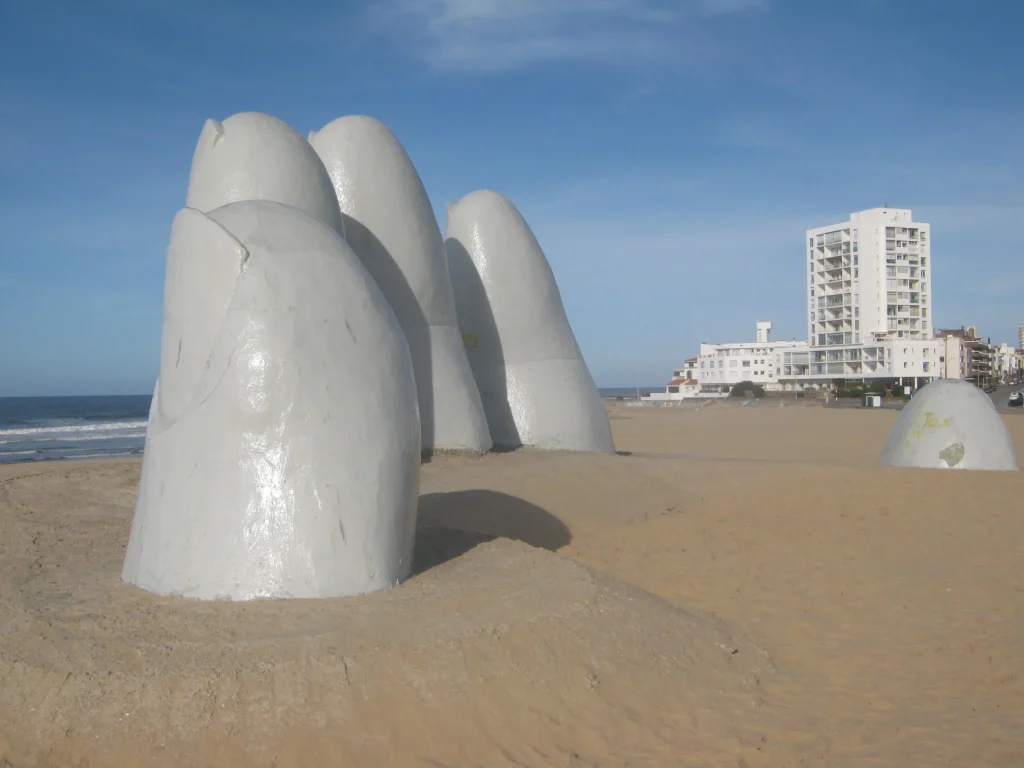
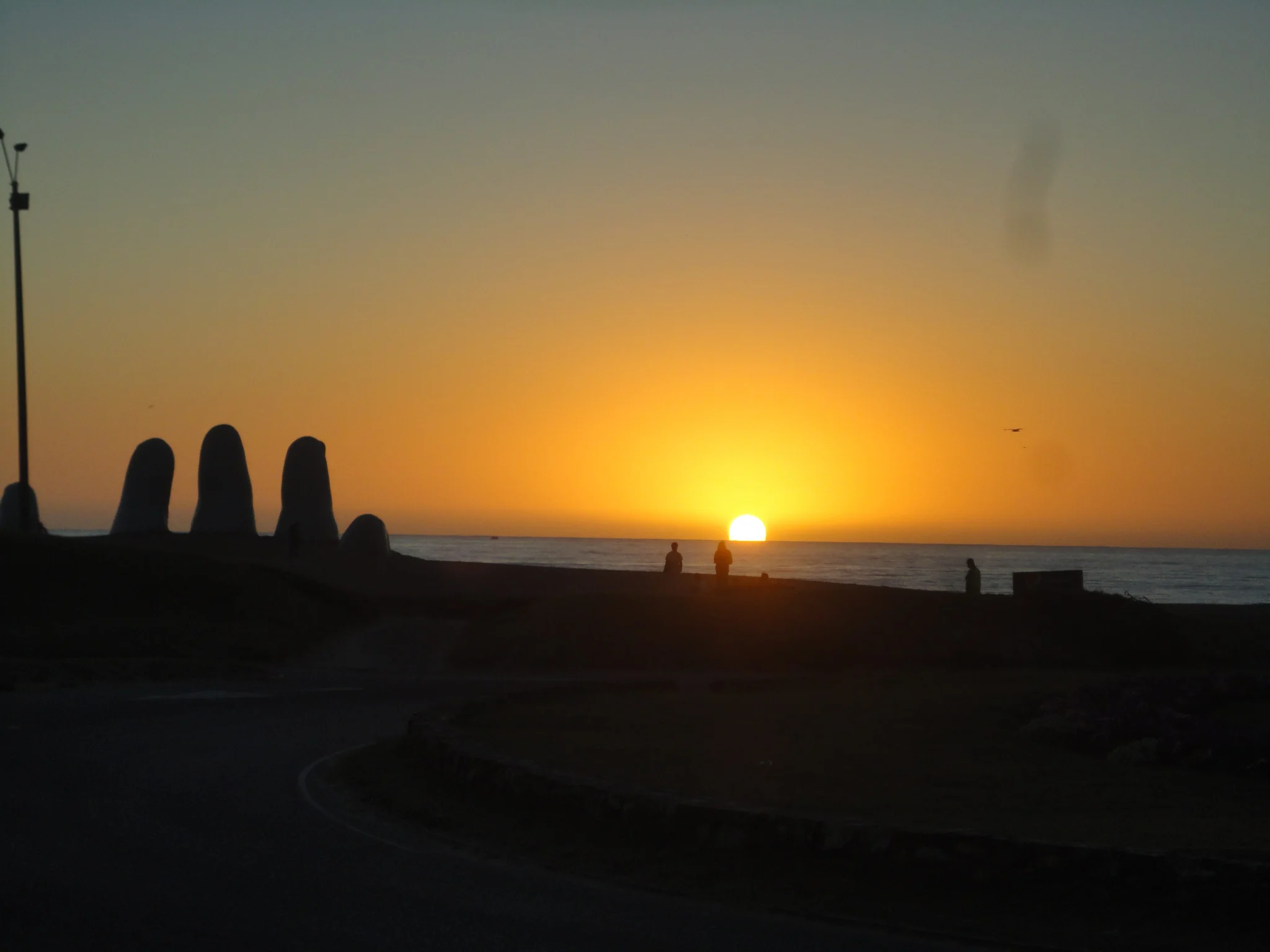
For a beach stop with a landmark built in, La Mano at Playa Brava has documented ramps and broad, level paths in its surrounding public area. The Playa Brava vs Playa Mansa: Which Beach Suits Your Day comparison can help you decide how to shape a beach day before leaving your accommodation.
Travelers with another day to spare can reserve a late-afternoon slot for Punta Ballena. Casapueblo at Sunset: The Punta Ballena Ritual is useful for planning that particular coastal outing. Treat it as one deliberate stop rather than trying to stack it into an already full beach and Peninsula day.
Get from Montevideo to Punta del Este by bus or car
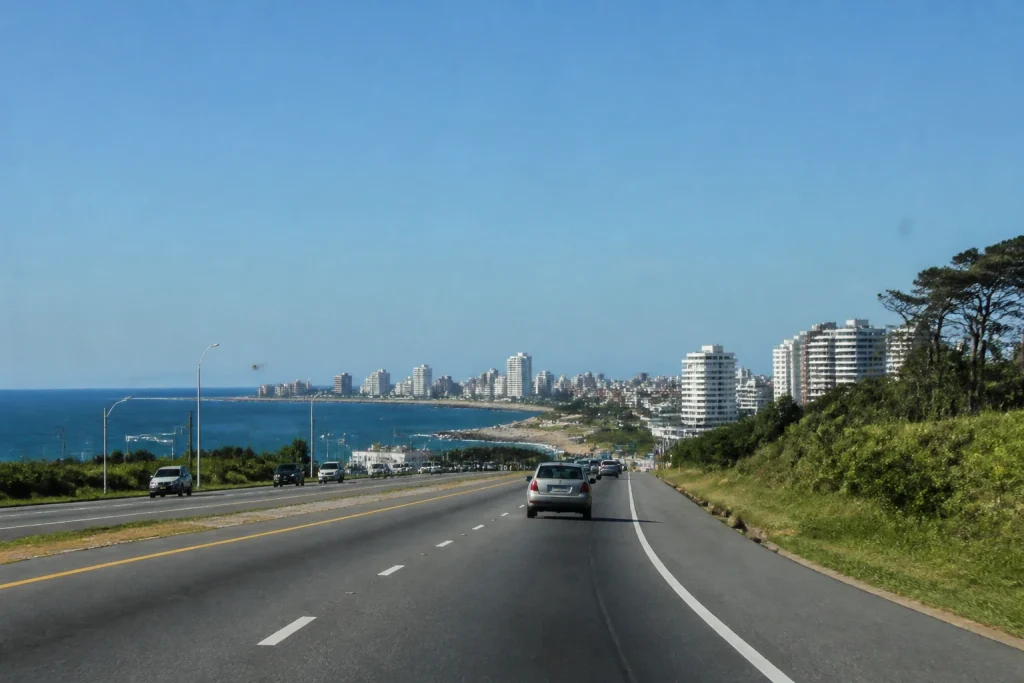
For many visitors, the bus is the clearest choice between Montevideo and Punta del Este. COPSA’s Linea Este timetable includes services from Montevideo and an airport stop. Listed journeys from Montevideo to Punta del Este take roughly 2 hours 30 minutes to 2 hours 45 minutes, with traffic affecting actual travel time. Leave a buffer before flights, tours, or onward plans.
| Option | Best for | Practical planning point |
|---|---|---|
| COPSA Linea Este bus | Travelers who prefer a scheduled, per-passenger journey | Services have day-specific labels, including weekday-only and daily departures. Read the label for the date you are traveling. |
| Private or rental car | Travelers building a flexible, multi-stop itinerary | Driving adds route-dependent tolls alongside fuel, rental, and parking costs. It is a flexibility choice, not automatically the cheapest choice. |
| Foreign-plated vehicle | Visitors driving into or around Uruguay | Check the current toll process or Telepeaje arrangements at the beginning of the trip, as visitor products and toll prices can change. |
COPSA’s fare table lists UYU 466 one way and UYU 932 round trip for Montevideo–Punta del Este, with the terminal boarding charge excluded. These figures are useful for a budget estimate, but transport prices can change. Check the current fare in the operator’s booking flow before you commit to a day’s plan.
Read bus timetables by travel day
Do not plan around a single assumed bus frequency. The published timetable distinguishes services that run daily from those that run only on weekdays. Match the service label to your travel date, then allow extra time for traffic if you are connecting to a flight or a fixed reservation.
Choose your season with the experience in mind
Punta del Este changes character across the year. Summer climate guidance sits around 21–28°C, while winter guidance is about 6–17°C. These are indicative seasonal ranges, not a daily forecast. For an August visit, plan for the Southern Hemisphere winter period and build an itinerary that can work well beyond a full beach day.
For help deciding between a summer trip and a lower-season visit, consult When to Visit: Summer Season vs Quiet Off-Season. It is especially useful when your priority is choosing the right travel period before you select accommodation or make transport plans.
Pack for flexible coastal days
In winter, pack layers that work across the indicative 6–17°C range and check the short-term forecast before committing to an outdoor-heavy day. In summer, leave enough unscheduled time for the beach. Across all seasons, a flexible first day is smart when arrival depends on an intercity bus or road journey.
Still comparing Sightseeing?
Ask for tour ideas, hotel suggestions, or a simple trip plan that combines both.
Trip Helper
Use Punta del Este’s documented accessible public spaces
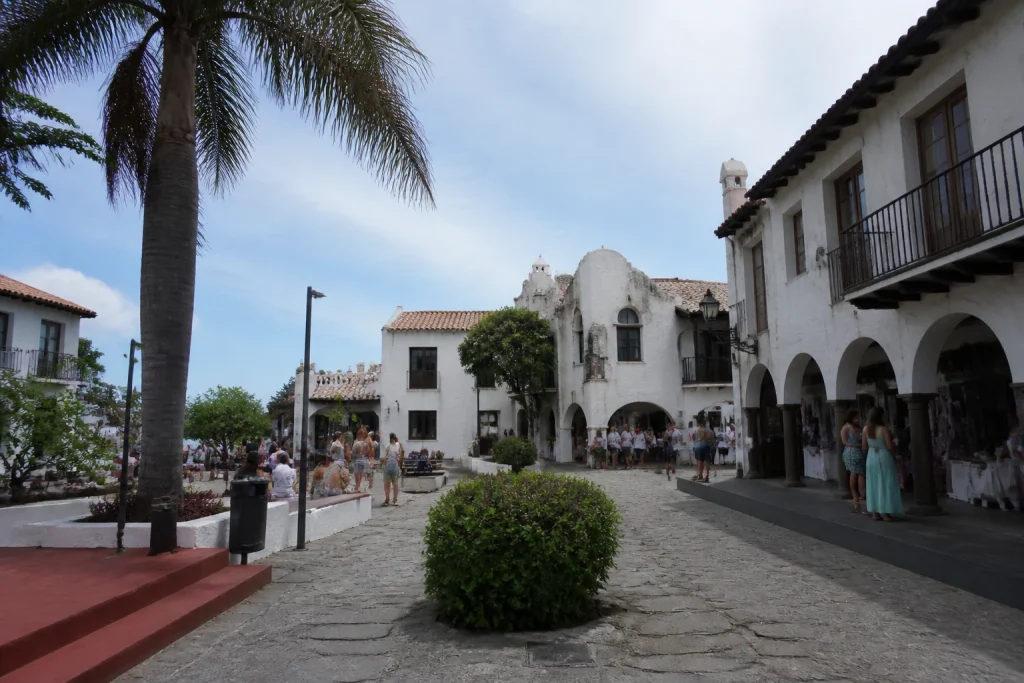
Accessibility planning in Punta del Este works best when it is site-specific. The municipal accessible-tourism information identifies useful public locations with defined features. Paseo de las Américas has a continuous level pedestrian route, ramps, and tactile paving. Around La Mano at Playa Brava, there are ramps and broad, level paths. Plaza de los Artesanos has ramps, clear pedestrian passages, and accessible bathrooms.
- Choose Paseo de las Américas for a documented level pedestrian route with tactile paving.
- Use the public area around La Mano at Playa Brava for its ramps and broad, level paths.
- Add Plaza de los Artesanos when accessible bathrooms and clear pedestrian passages are important.
- Confirm the accessibility of your hotel, restaurant, transport, beach-sand access, and any particular toilet facilities before setting the day’s route.
These details describe named public spaces, not the destination as a whole. Travelers who rely on particular access arrangements should make those arrangements the first filter for accommodation and transport, then build sightseeing around the public locations that best fit their needs.
Plan food and evenings without overfilling the day
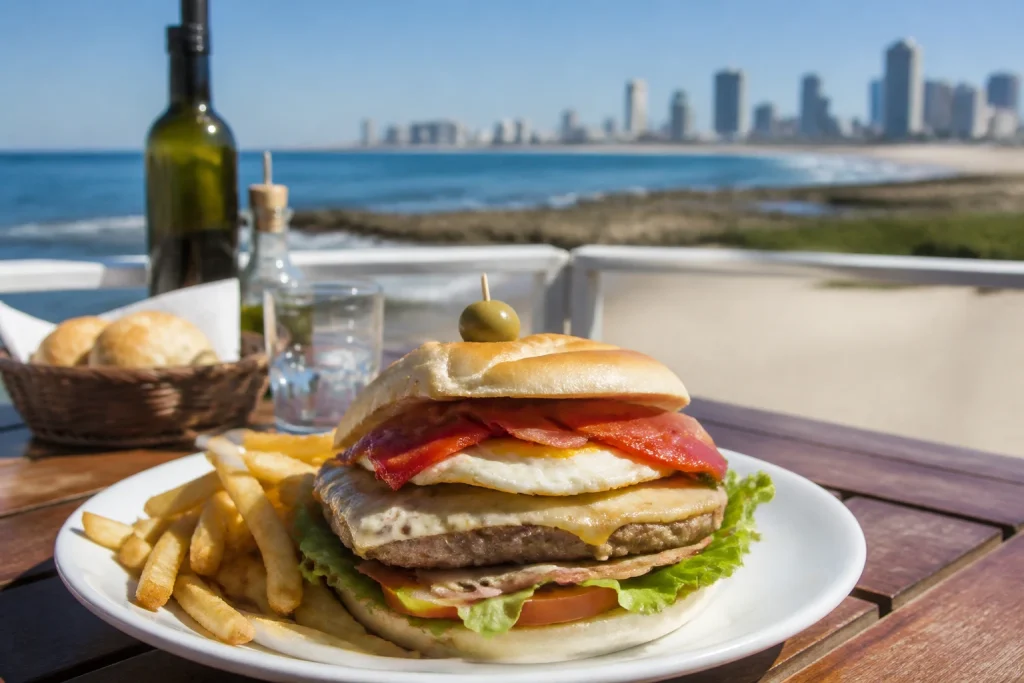
Give meals a proper place in the itinerary instead of treating them as a gap between attractions. Eating Along the Coast: Chivito, Parrilla, Seafood and Wine is a useful subject guide for travelers deciding what they want to seek out during a food-focused stop. Reserve the rest of the evening for a stroll, a conversation, or one planned outing rather than chasing every option at once.
For an evening beyond the central itinerary, La Barra After Sunset: Galleries, Wavy Bridge, Late Dinners offers a focused plan around its galleries, wavy bridge, and late-dinner scene. Keep transport timing in mind if you are not driving, especially outside a simple daytime schedule.
Shape a one-, two-, or three-day itinerary
- One day: Make the Peninsula your core, add a Playa Brava stop and La Mano, then save the evening for an unhurried meal or a single outing.
- Two days: Keep one day for the Peninsula and beach, then use the second for a Punta Ballena plan, including the Casapueblo sunset option if it fits your schedule.
- Three days: Add one coastal side trip. A Slow Coastal Day in José Ignacio is a useful planning reference if you want a day with a slower rhythm, while La Barra suits a different evening-focused option.
First-time visitors who want a broader menu of possibilities can also use Best Things to Do in Punta del Este for First-Time Visitors to choose a few priorities. The strongest itinerary is usually selective: one anchor experience in the morning, one in the afternoon, and room to stop when the place invites you to linger.
Book transport and driving details at the right moment
Lock in fixed commitments only after checking the transport timetable for your specific day. Bus departures, fares, and road-toll products are practical details that can change. If you are looking at guided activities, choose an option that fits the shape of your day, then leave a comfortable buffer around arrival and return travel.
Foreign visitors driving a foreign-plated vehicle should also remember one important rule: traffic violations must be settled before leaving Uruguay. Check for outstanding fines before departure, and check the current toll process at the start of the trip rather than relying on an older price or pass arrangement.
Make Punta del Este fit your travel style
Punta del Este works best for travelers who enjoy setting a loose coastal rhythm rather than collecting sights at speed. Choose the season that matches your priorities, make transport the first logistical decision, and reserve a little unplanned time for the Peninsula, a beach stop, or a long meal. The main limitation is that schedules and travel conditions shape the day, so check current transport details and let the itinerary breathe.
Frequently asked questions
How do I get from Montevideo to Punta del Este?
COPSA’s Linea Este publishes bus services from Montevideo and an airport stop to Punta del Este. Check the service label for your exact travel date, as some departures are daily and others are weekday-only.
How long is the bus ride from Montevideo to Punta del Este?
Listed COPSA journeys from Montevideo to Punta del Este take about 2 hours 30 minutes to 2 hours 45 minutes. Traffic can affect the actual journey, so leave a buffer before flights or timed reservations.
How much is the bus from Montevideo to Punta del Este?
COPSA’s published fare table lists UYU 466 one way and UYU 932 round trip, excluding the terminal boarding charge. Check the current fare when booking because transport prices can change.
Is August a good time to visit Punta del Este?
August is a good fit for travelers who want a Southern Hemisphere winter visit and are happy to plan beyond a full beach day. Indicative winter temperatures are 6–17°C, compared with 21–28°C in summer.
Are there accessible places to visit in Punta del Este?
Yes, several named public spaces have documented accessible features. Paseo de las Américas has a level route, ramps, and tactile paving; the area around La Mano has ramps and broad paths; and Plaza de los Artesanos has ramps, clear passages, and accessible bathrooms.
La Mano at Playa Brava is a natural anchor for a beach-focused Punta del Este day by Eduardo Rauschert, CC BY-SA 3.0.
Experiences to explore
 Explore experience ↗
Private Transfer from Montevideo to Punta Del Este Cruise Port
◷ 2 hr 30 min
Book your Private Transfer from Montevideo city hotels or any address to Punta Del Este Cruise Port. Don't go through all the hassle of
See dates for Current pricing
View datesExplore experience ↗Private Transfer from Punta Del Este Cruise Port to Montevideo
◷ 2 hr 30 min
Book your Private Transfer from Punta Del Este Cruise Port to Montevideo city hotels or any address. Don't go through all the hassle of
See dates for Current pricing
View dates Explore experience ↗
Private transfer from Montevideo to Punta del Este
◷ 1 hr 40 min–2 hr
Ensure your arrival in Punta del Este comfortably with our private transfer service from Montevideo. Enjoy a safe and relaxing trip. Bo
See dates for Current pricing
View dates