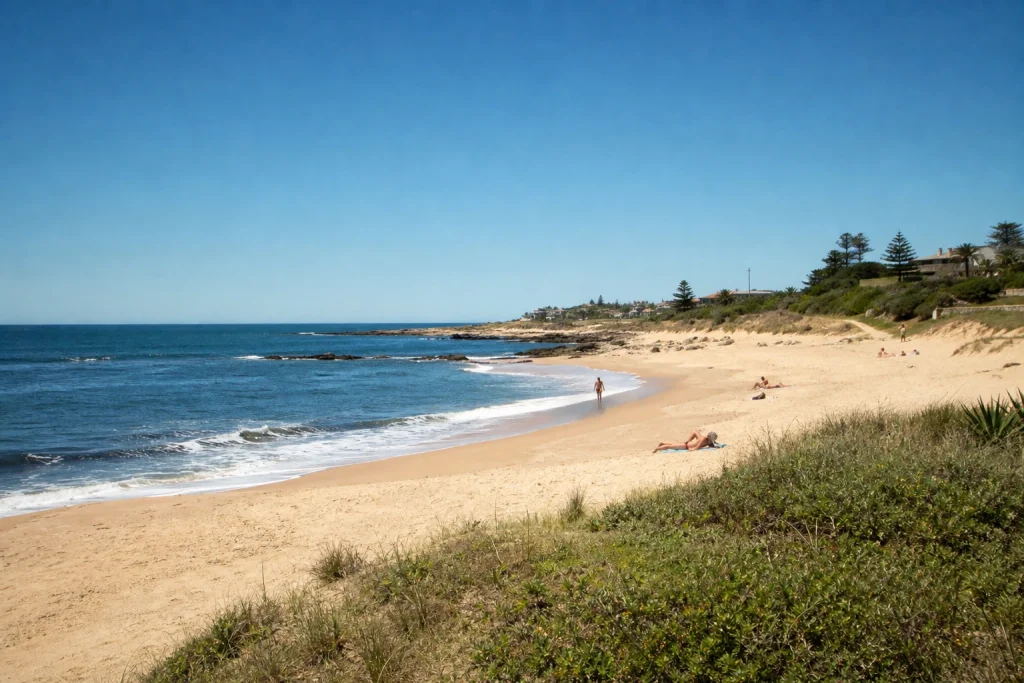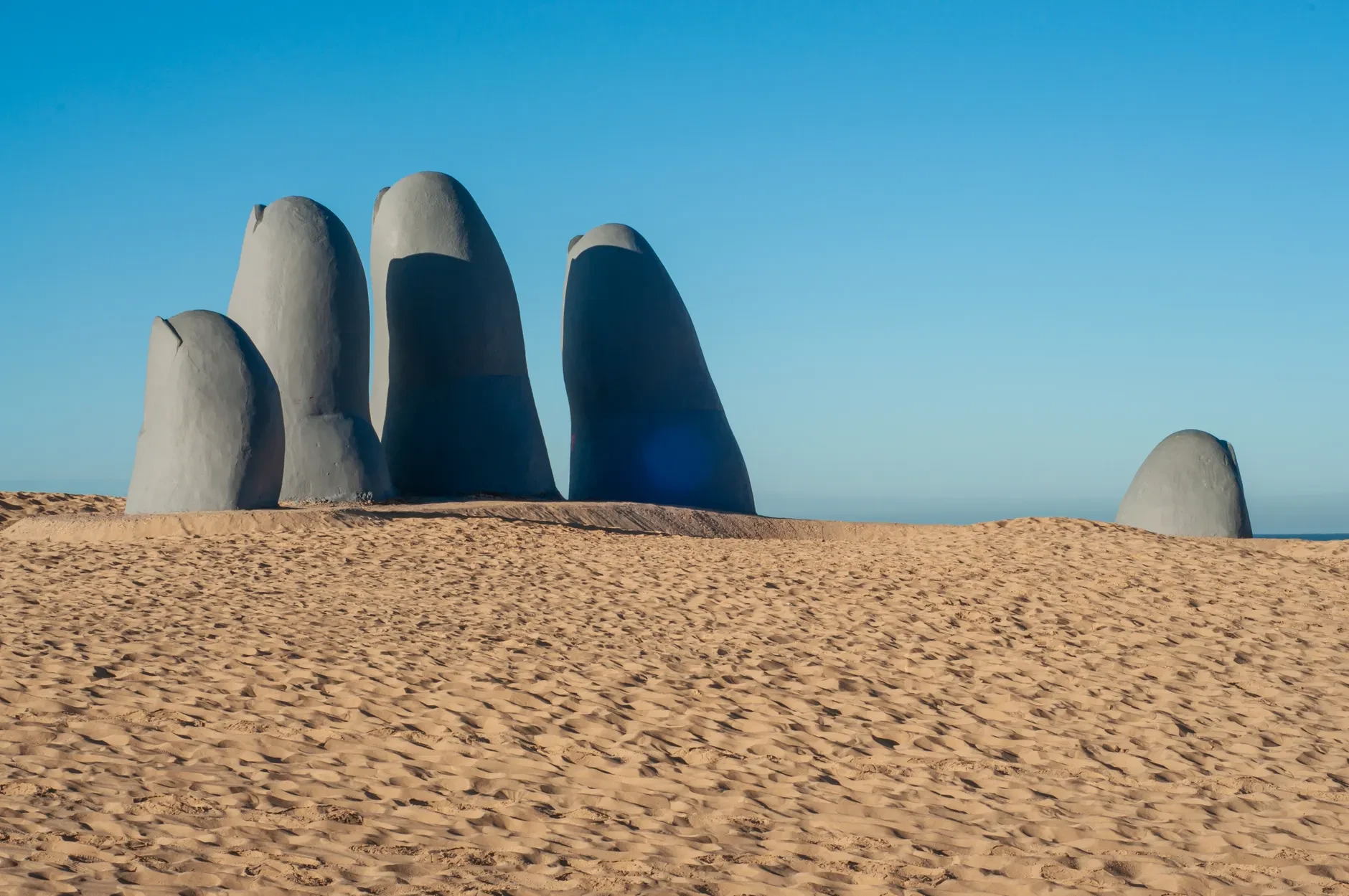
Playa Brava is Punta del Este’s Atlantic-facing shore, where the peninsula marks the end of the Río de la Plata and the beginning of the Atlantic Ocean. For a first visit, it offers an easy visual introduction to the city: the La Mano landmark at Parada 1, a seafront promenade, and a wide-open ocean setting. Treat it as both a sightseeing stop and a beach day, with the water decision left to the live conditions in front of you.
- Start at La Mano at Playa Brava, Parada 1, then use Rambla Brava for an ocean-facing walk.
- Choose Brava for the Atlantic-side setting, the landmark, and promenade views.
- Check the on-site beach flag, lifeguard situation, and sanitary information before entering the water.
- Use Paseo de las Américas for a documented level pedestrian route with ramps and tactile paving.
- Budget separately for transport, parking, food, and any rentals, as local prices and availability vary.
Why Playa Brava is a strong first stop in Punta del Este
Brava makes sense for travelers who want to begin with Punta del Este’s ocean-facing character. The peninsula geography gives the beach a clear sense of place, while La Mano provides a recognizable meeting point and photo stop. Across Punta del Este’s varied coast, tourism information highlights activities such as surfing, windsurfing, jet-skiing, sailing, fishing, and yachting. If a lesson, rental, or particular activity matters to your plan, check local availability for that day.

Punta del Este Shore Excursion: Private Sightseeing Tour of Punta del Este
Explore the sophisticated resort town of Punta del Este on this 4-hour private shore excursion. With a private guide, enjoy a scenic drive with stunni...

Private Have It Your Way Tour in Punta Del Este
Be prepared for an exclusive trip through Punta del Este with a true local! We will share our knowledge in an engaging and entertaining way, and invi...
Begin at La Mano and Rambla Brava, Parada 1
Use La Mano at Playa Brava, Parada 1, as the practical starting point for your visit. It places you by the beach’s best-known landmark and close to the oceanfront pedestrian area. Around La Mano, ramps and wide, level pedestrian routes make the immediate approach easier for visitors using mobility aids, strollers, or anyone who prefers a firm surface underfoot.
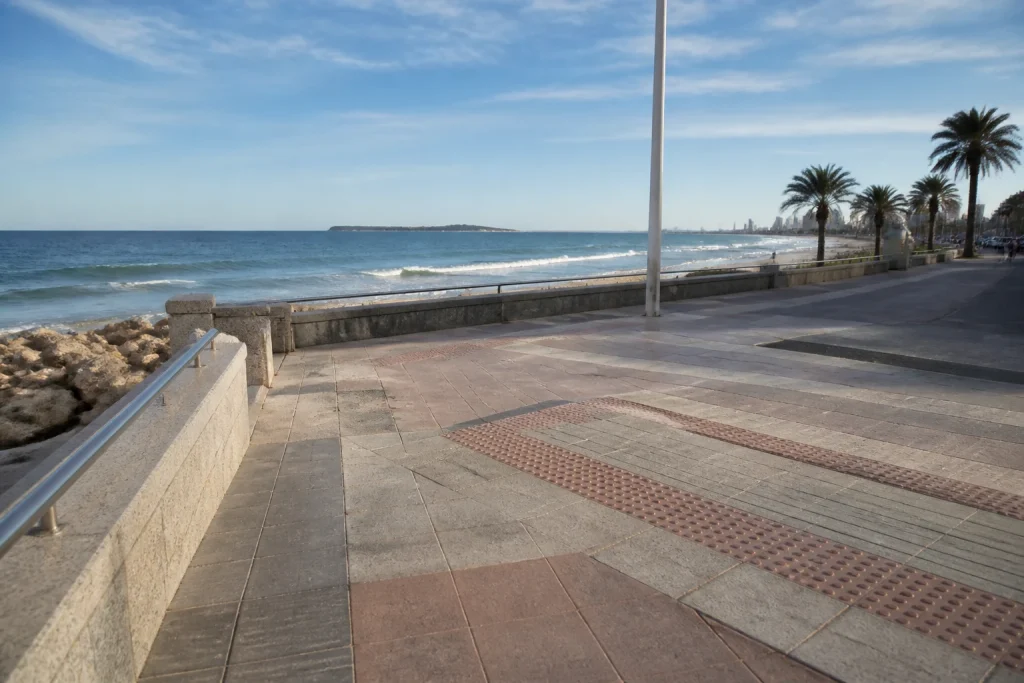
For sea views without using the sand, head to Paseo de las Américas on Rambla Brava at Parada 1. This route has a continuous level pedestrian surface, ramps, and tactile paving. It is a practical option for a promenade-focused visit, especially when your priority is the view, the landmark, and a short coastal walk rather than swimming.
A simple first-visit plan
- Start at La Mano and take in the beach from the hard-surface routes around Parada 1.
- Locate the beach flag before going near the water and note its current instruction.
- Use the Info Playas app for lifeguard-post and emergency information, then follow the directions at the beach.
- Choose a promenade visit if conditions do not support swimming or you simply want a shoreline stop.
- Enter the water only where lifeguards are operating and the live flags permit bathing.
Keep the order of decisions simple: see the coast first, check the signals second, and swim only after the live safety information supports it. This approach leaves room for a satisfying visit even on a day when the water is not suitable. The promenade and landmark remain useful anchors for the stop.
Read the flags before you swim
Uruguay’s beach-safety guidance gives each flag a direct meaning. Green means bathing is permitted. Yellow means use caution. Red means bathing is not permitted. A black flag with a white lightning bolt means leave the beach. Follow the flag and lifeguard instructions on the day, even if the sea looked different earlier or conditions seemed favorable when you arrived.
| Signal | Meaning | Best response |
|---|---|---|
| Green flag | Bathing permitted | Swim only within the supervised area and remain attentive. |
| Yellow flag | Caution | Ask lifeguards for guidance and take a conservative approach. |
| Red flag | Bathing not permitted | Stay out of the water. |
| Black flag with white lightning bolt | Leave the beach | Follow the instruction immediately. |
A flag also does not replace basic judgment in moving water. If you are caught in a rip current, do not fight directly against it. Move parallel to the shore, or float and signal for help. Swimming with lifeguards and staying within their advised area gives first-time visitors the clearest safety framework.
Check water-quality information as well as the safety flag. Uruguay’s beach monitoring system uses sanitary flags to indicate a possible health risk, and swimmers should not enter the water when one is flying. Conditions can change suddenly, and online updates may not immediately reflect what is happening at the beach, so the on-site situation takes priority.
Use live lifeguard information, not fixed-hour assumptions
Maldonado operates a broad beach-safety network, reporting 337 lifeguards and 91 posts across the coastline from Arroyo Solís to Playa Brava de José Ignacio. That scale is useful context, but the relevant question at Playa Brava is who is operating at your particular stretch of sand right now. Check Info Playas, observe the flag, and follow the lifeguard team on duty before making a swimming decision.

The Best of Punta del Este Old Town Private Walking Tour
Discover the best of Punta del Este’s historic center, from the iconic Fingers sculpture to the historic lighthous...

Private Tour in Punta Del Este
Experience our Private Excursion tailored exclusively for you! Embark on a serene journey through the picturesque l...

Punta del Este Classic City Tour with Sunset at Casapueblo
This tour is the best way to get to know Punta del Este in depth. If it's your first time in Punta, we recommend tak...
Accessible ways to experience Playa Brava
Playa Brava is especially workable for visitors seeking an ocean view without relying on the sand. The documented accessible option is Paseo de las Américas on Rambla Brava, where the route is level and includes ramps and tactile paving. Near La Mano, the surrounding ramps and broad pedestrian paths support a step-free approach to the landmark and its immediate viewing area.
Plan the hard-surface promenade as the dependable part of an accessible visit. Sand crossings and water entry need a separate day-of check if they are essential to your trip. Starting at La Mano and continuing along Paseo de las Américas gives a clear, practical way to experience this part of the coast without making the beach itself the only goal.
Choosing between Playa Brava and Playa Mansa
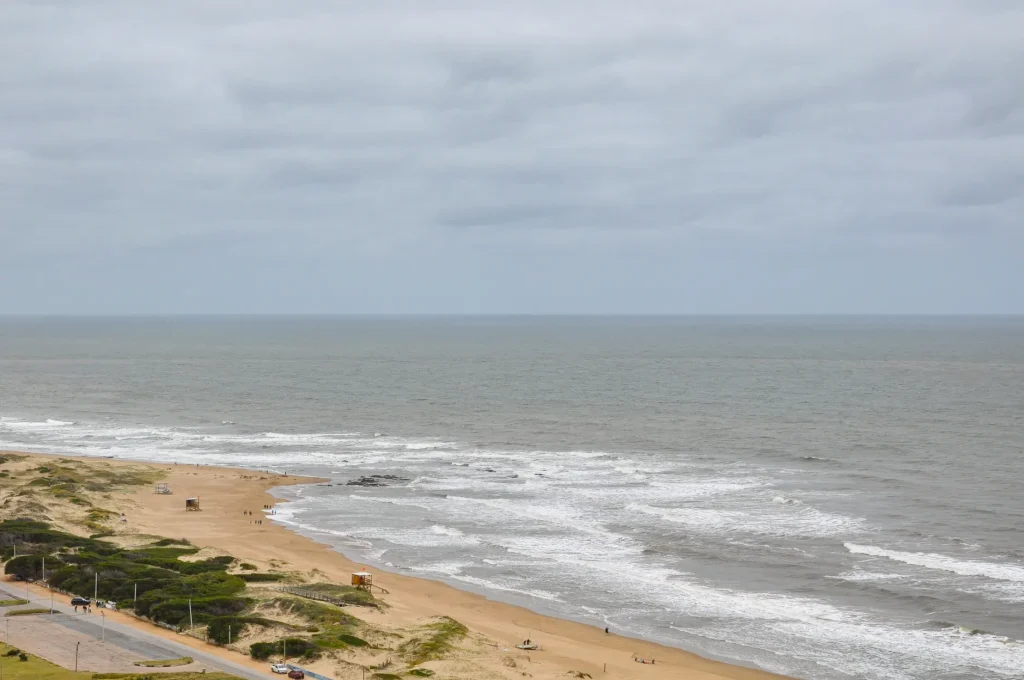
The first distinction is geographic: Playa Brava is the Atlantic-facing side of Punta del Este’s peninsula, where Brava and Mansa meet at the transition from the Río de la Plata to the Atlantic Ocean. Choose Brava when the ocean setting, La Mano, and Rambla Brava promenade are the priorities. Make the day’s water decision only after checking the local flags and lifeguard situation. Our Playa Brava vs Playa Mansa: Which Beach Suits Your Day comparison can help with the wider beach-choice decision.
Time your visit around current conditions and local costs
There is no substitute for a same-day safety check at Brava. Before you leave for the beach, look at Info Playas and beach-monitoring updates; when you arrive, read the flag and take the lifeguards’ directions as final. This is more useful than building a schedule around old lifeguard hours or assumptions about water conditions. For broader trip-date planning, the When to Visit: Summer Season vs Quiet Off-Season guide provides useful context beyond this beach stop.
Keep your budget flexible. Separate the shoreline visit from the practical extras that can shape your day, including transport, possible parking, food, drinks, and any beach rentals you choose. Prices and availability vary locally, so check current rates before committing to a paid service. Avoid building your plan around a fixed chair, umbrella, parking, or beach-service price.
What to bring for a practical Brava visit
A compact beach kit is enough for a first look at Playa Brava. Pack for the promenade first, then add swimming gear only if the live conditions allow a water visit.
- A charged phone with data for Info Playas and current beach information.
- Sun protection and drinking water for time beside the exposed shoreline.
- Comfortable footwear for Rambla Brava and Paseo de las Américas.
- Swimwear and a towel if you plan to bathe only when the flag and lifeguards allow it.
- A small layer or cover-up for changing conditions along the coast.
Fit Playa Brava into a first Punta del Este itinerary
Playa Brava works well as a focused coastal stop: begin at La Mano, use the promenade for ocean views, and keep any swim contingent on the conditions you find. It can be a short standalone visit or one piece of a larger day in town. For a wider first-trip plan, Best Things to Do in Punta del Este for First-Time Visitors places the beach alongside other experiences worth considering during your stay.
Still comparing Playa Brava?
Ask for tour ideas, hotel suggestions, or a simple trip plan that combines both.
Trip Helper
The first-timer verdict
Playa Brava is a worthwhile first stop for travelers drawn to Punta del Este’s Atlantic-facing scenery, La Mano, and a straightforward waterfront walk. Its main planning rule is equally clear: let the flag, water-quality signal, and lifeguards determine whether swimming belongs in the day. Start at Parada 1, enjoy the promenade, and treat a permitted, supervised swim as a welcome addition rather than an assumption.
Frequently asked questions
Where is La Mano at Playa Brava?
La Mano is at Playa Brava, Parada 1, beside Rambla Brava in Punta del Este. It is a practical starting point because ramps and broad pedestrian routes are documented in the surrounding area.
Can you swim at Playa Brava?
You can swim only when the live beach conditions permit it. Check the on-site flag, confirm lifeguards are operating in your area, and stay out of the water if a sanitary flag indicates a possible health risk.
What do the beach flags mean in Uruguay?
Green permits bathing, yellow calls for caution, and red means bathing is not permitted. A black flag with a white lightning bolt means leave the beach.
Is Playa Brava accessible for visitors who do not want to cross sand?
Yes, the promenade is the strongest accessible option. Paseo de las Américas at Rambla Brava, Parada 1, has a continuous level route, ramps, and tactile paving, while La Mano has accessible approaches nearby.
Are lifeguards always operating at Playa Brava?
Treat lifeguard coverage as day-specific and check before entering the water. Maldonado has a wide beach-safety network, and Info Playas provides lifeguard-post and emergency information.
Should I choose Playa Brava or Playa Mansa?
Choose Playa Brava for the Atlantic-facing setting, La Mano, and the Rambla Brava promenade. For any swimming plan, make the final call after reviewing the live flag and lifeguard situation at the beach.
La Mano at Playa Brava, Parada 1 by Mayumi Maciel, Pexels.
Punta del Este Shore Excursion: Private Sightseeing Tour of Punta del Este
Explore the sophisticated resort town of Punta del Este on this 4-hour private shore excursion. With a private guide, enjoy a scenic drive with stunni...
Private Have It Your Way Tour in Punta Del Este
Be prepared for an exclusive trip through Punta del Este with a true local! We will share our knowledge in an engag...